

Discover the Benefits of a Mining Anti-Clogging Flushing Valve for Your Operations
- 2026-07-03 14:15:44
- admin
- NO COMMENTS
In a remote mining processing plant, engineers on site may spot small clues long before a valve fails. A pump controller might record mild pressure oscillations through the day; a high-flow hydraulic valve could start to stick or take more torque as abrasive slurry accumulates. In one dusty ore conveyor line, an inspection team noticed the flushing valve’s actuator current rising week by week. Fine sediment was slowly building up inside the valve cavity. Over time, this led to a tiny leakage past the seal and rough operation at low flow. Eventually, what began as a subtle vibration during part-load operation became an intermittent blockage, costing hours of downtime to clear. Such symptoms – fluctuating pressure drop, creeping actuator torque, and hesitant movement – are classic signs of sediment-related wear.
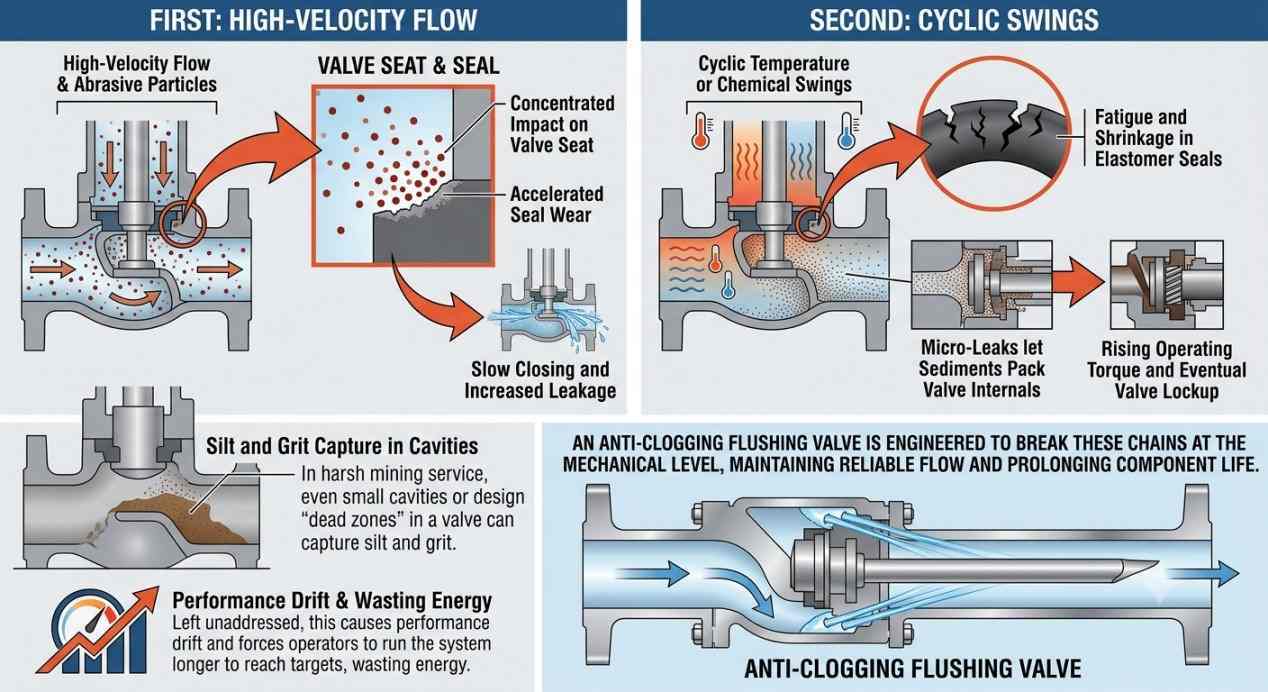
Engineers often describe two cause-and-effect chains in these scenarios. First: high-velocity flow and abrasive particles ⇒ concentrated impact on the valve seat ⇒ accelerated seal wear ⇒ slow closing and increased leakage. Second: cyclic temperature or chemical swings in the process fluid ⇒ fatigue and shrinkage in elastomer seals ⇒ micro-leaks that let sediments pack the valve internals ⇒ rising operating torque and eventual valve lockup. In harsh mining service, even small cavities or design “dead zones” in a valve can capture silt and grit. Left unaddressed, this causes performance drift and forces operators to run the system longer to reach targets, wasting energy. An anti-clogging flushing valve is engineered to break these chains at the mechanical level, maintaining reliable flow and prolonging component life.
Overview of Anti-Clogging Flushing Valves
A mining anti-clogging flushing valve is designed specifically to handle dirty fluids and prevent buildups. Unlike a standard valve that simply opens or closes, an anti-clogging valve includes features to purge debris. For example, some models have a full-bore flow path and special purge ports that allow forced flush cycles when the system pressure is high. Others incorporate non-stick surfaces or back-washing capabilities. In essence, these valves let operators or automated controls push water or clean fluid through in reverse or high-velocity modes to scour out sediment before it causes trouble. For mining applications with thick slurries or sand-laden water, this proactive cleaning is crucial. By keeping the valve seat and cavity free of deposits, the valve maintains a tight seal and quick response. In practice, mining process engineers see that installing a flushing valve at key locations dramatically reduces unplanned shutdowns. As one maintenance foreman put it, “Since we started using flushing valves on the dewatering lines, we don’t have to open the valve every week to scrape out sludge. The flow stays stable.”
The Role of Hydraulic Valves in Mining Operations
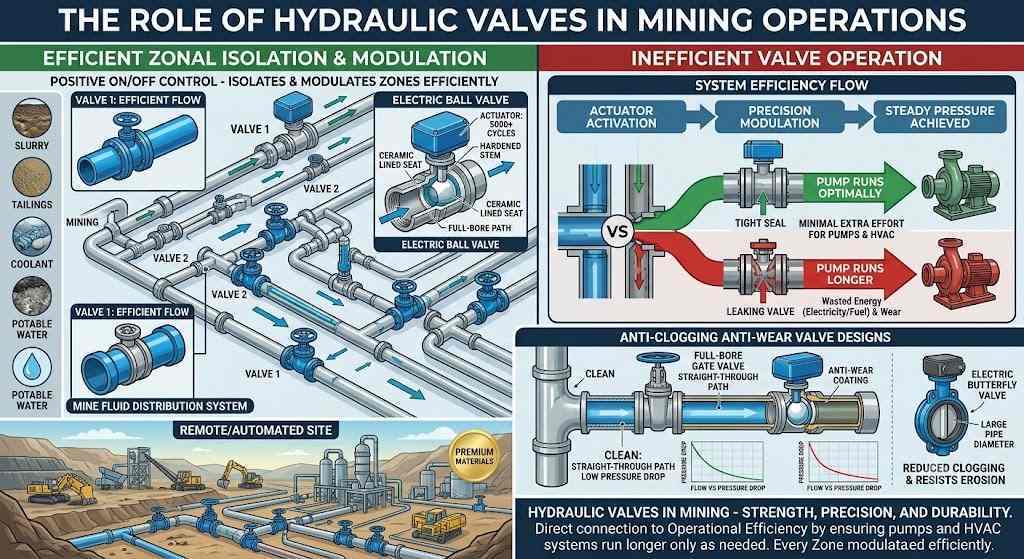
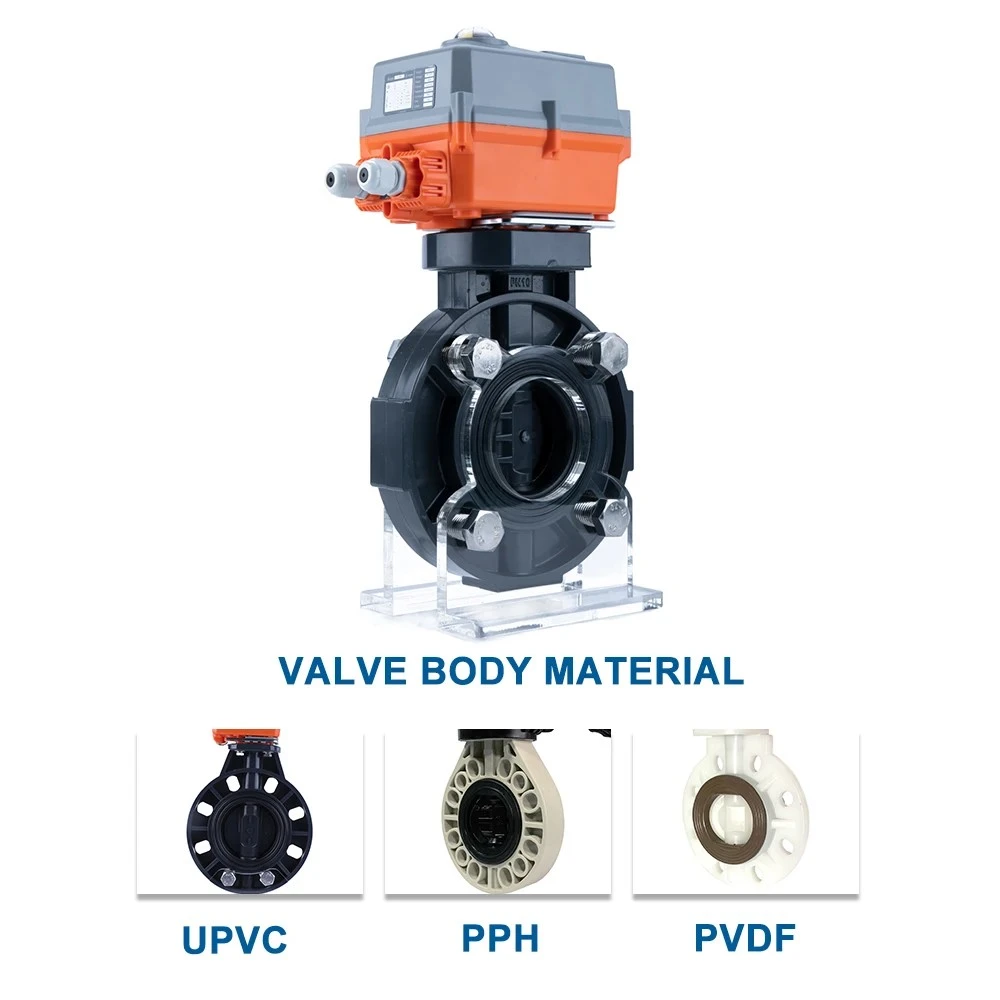
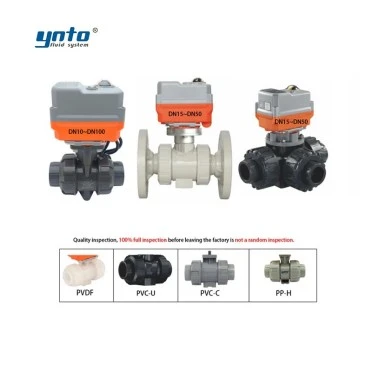
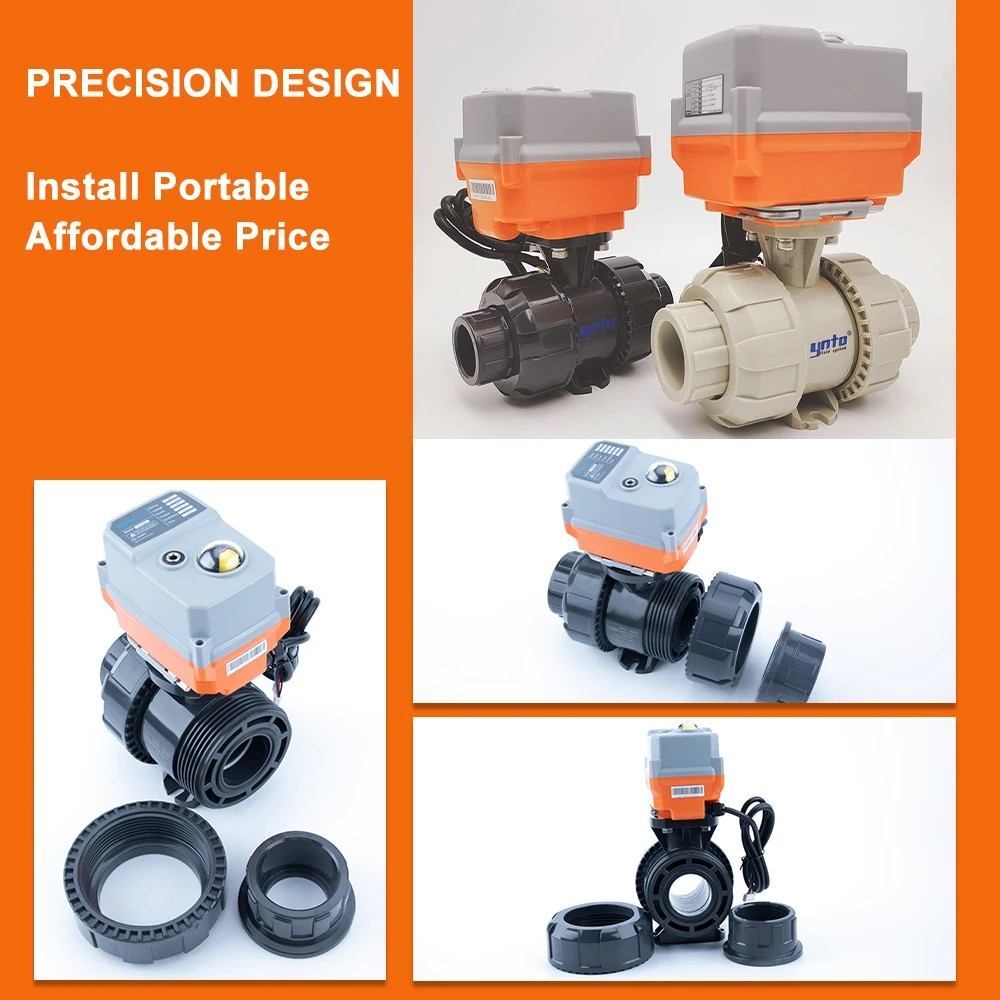
Hydraulic valves in mining are the backbone of process control. They handle flows of coolant, slurry, tailings, and potable water under high pressure and often abrasive conditions. The features needed are strength, precision, and durability. Hydraulic valves in such environments are typically built with heavy-duty materials and actuators. For example, an electric actuator on a valve may be specified for thousands of cycles and wide ambient temperature ranges. Valves often use hardened stems and seats (sometimes with ceramic or hard-metal linings) to resist erosion. The connection to operational efficiency is direct: a valve that seals tightly and operates swiftly allows the pumps and HVAC systems to do their job with minimal extra effort. Conversely, a leaking or lagging valve forces pumps to run longer to achieve pressure targets, burning more electricity or fuel. In many mining fluid systems, valve selections now favor full-bore ball valves or gate valves with anti-wear features. These designs minimize flow restriction (lowering pressure drop) and provide a straight-through path to reduce clogging. For remote or automated sites, an electric ball valve might be used for positive on/off control, while an electric butterfly valve can handle larger pipe diameters for high-volume water lines. Both types are often paired with electric actuators for remote control. With the right hydraulic valve, mining engineers ensure that each zone can be isolated or modulated efficiently, directly impacting the overall operation efficiency.
Features of Hydraulic Valves
Key features of valves in mining include:
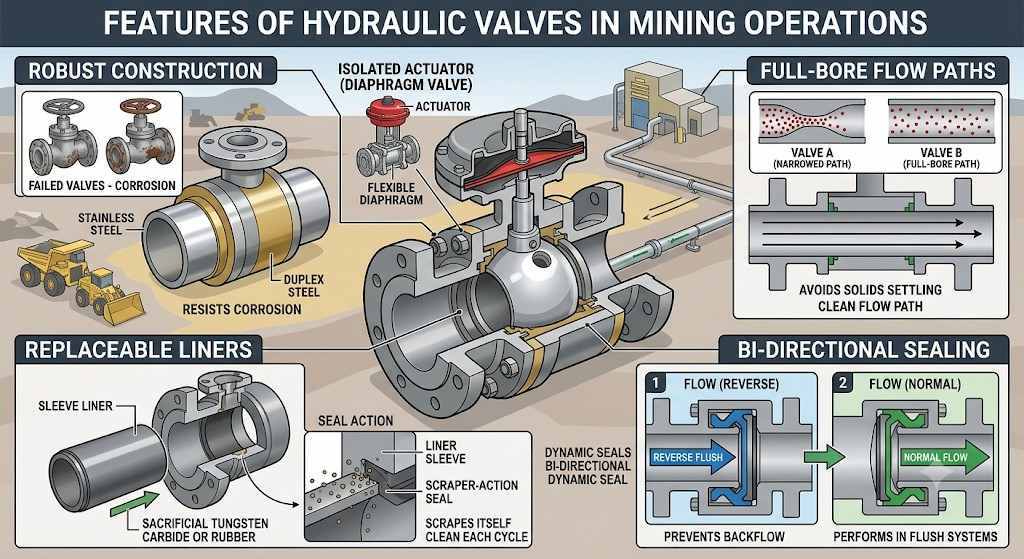
· Robust Construction: Bodies made of stainless steel, duplex steel or coated steel to resist corrosion from process chemicals and water treatment additives. For example, a diaphragm valve may be chosen in corrosive sidestreams because its actuator is isolated from the fluid.
· Full-Bore Flow Paths: Valves like full-bore ball valves avoid narrowing the passage, so solids have less chance to settle.
· Replaceable Liners: Some valves use sacrificial linings or sleeves (e.g., tungsten carbide or rubber) that can be swapped out. If flow carries heavy grit, the action of the seal can actually scrape itself clean each cycle.
· Bi-Directional Sealing: In mining flush systems, pressure reversals can occur during cleaning. Valves that seal in both directions prevent backflow when the system flushes in reverse.
Connection to Operation Efficiency
A valve’s design choices affect energy use and uptime. For instance, a clogged valve seat will let fluid leak by when the system should be off. This leakage means the pump must run longer to meet the desired flow or pressure – a direct waste of power. In contrast, an anti-clogging design helps avoid that scenario. As one plant manager explains, “When our flush valve opened, it pushed out accumulated sand – saving us a full day of pumping we used to lose each month.” In mining, each pump is rated in kilowatts, so even small efficiency gains add up. Moreover, precise valves reduce the need for parallel bypass lines. Fewer lines means simpler piping and less maintenance. In summary, hydraulic valves optimized for anti-clogging and flushing contribute both to reliable climate control systems (in HVAC loops for offices and processing areas) and fluid handling in production, making operations leaner and more sustainable.
Mining Equipment and Industrial Valves
Importance of Industrial Valves in Harsh Environments
Mining operations are among the harshest environments for valves. Equipment endures extremes: abrasive slurry, high solids content, dust, and wide temperature swings. Engineers performing routine inspections on-site often observe the telltale signs. For example, in a tailings pond, small cracks in the valve body or corroded bolts can appear from chemical attacks. In a rock conveyor’s water spray system, fibrous debris might wrap around the stem of a globe valve, jamming it partially open. Without proper valve selection, these conditions lead to frequent breakdowns. A improperly chosen globe or butterfly valve in a tailings pipeline could fail within weeks due to erosion, whereas a correctly specified wear-resistant gate valve or knife gate valve might last for years before servicing. That reliability is crucial: a stuck valve in a haul truck wash-down or ore-washing circuit can delay the entire operation.
Selection Criteria for Mining Valves
Selecting the right valve for mining involves matching the valve to the task. Criteria include:
· Media Characteristics: High-solid slurries may need a dredge or drain valve that can actually flush itself. For example, valves with built-in flush ports allow operators to rapidly blow out accumulated solids ().
· Material Compatibility: Many mining streams carry corrosive chemicals (e.g., acid leaching solutions). For these, stainless steels (316L, Duplex) or corrosion-resistant polymer-lined valves are used. Non-stick PTFE or FKM seats resist fines and chemicals better than rubber in these cases.
· Pressure and Temperature: High-pressure cooling loops require robust valves tested to ANSI/ASME standards, while very hot process fluids might mandate high-temperature alloy body valves.
· Maintenance Access: In remote mines, ease of maintenance is critical. Engineers prefer valve designs that can be serviced in-line or whose wear parts (e.g., seats, liners) can be replaced quickly without full disassembly.
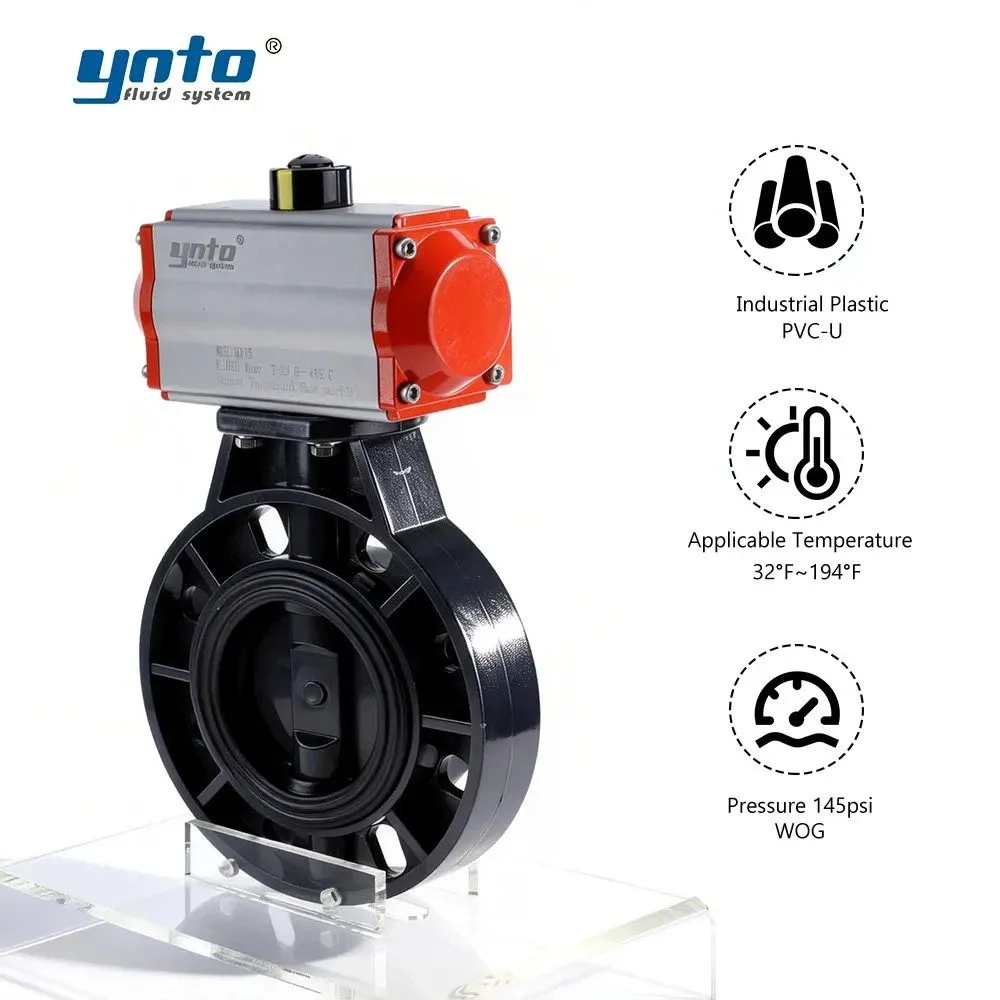
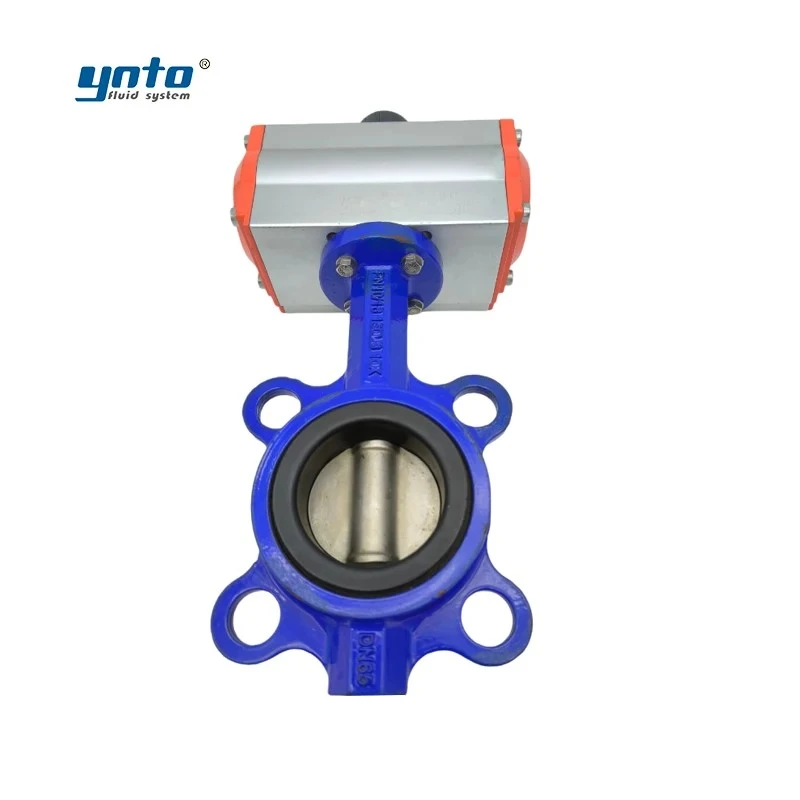
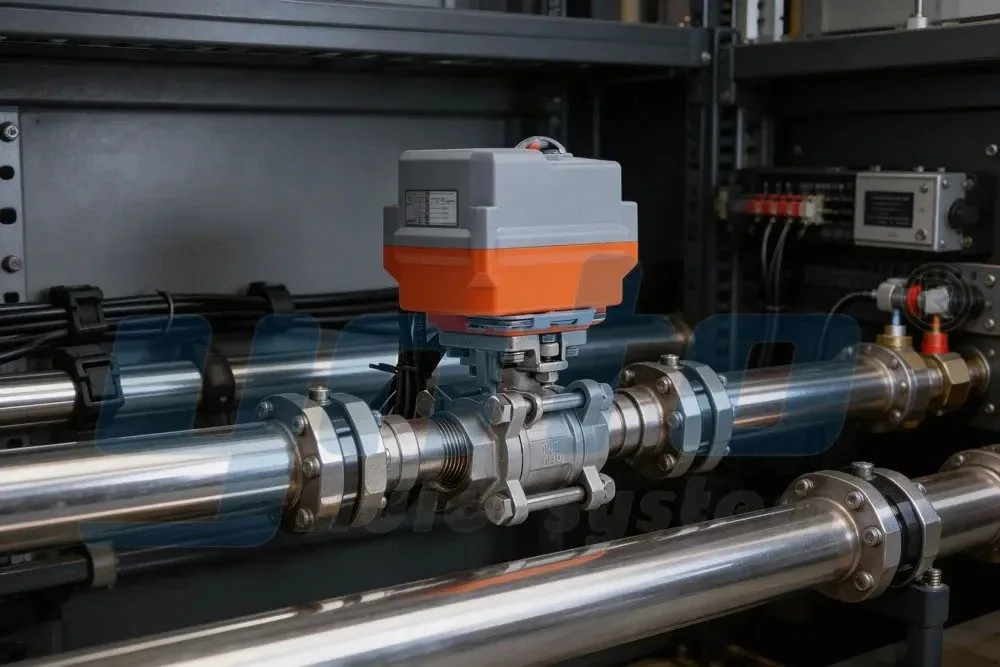
In practice, engineers often consult industrial valve suppliers to find products rated for mining duty. For pneumatic control needs, a pneumatic actuator with fail-safe springs might be paired with a tough ball or butterfly valve. For critical isolation, an electric control valve might be installed to modulate temperature or pressure precisely. All components are evaluated against standards (API, ISO, DIN, even local GOST) to ensure they can handle the mining site's demands.
The Need for Sediment Removal
Sources and Types of Sediments
Sediment in mining systems comes from several sources. Groundwater seepage can carry fine sand into pumping lines. Ore processing (crushing, grinding) generates silt that may circulate in water loops. Even atmospheric dust can settle in storage tanks or open pits, mixing with process fluids. For example, a water line in an open-air coal yard often shows brownish grit when drained. In hard-rock mines, minerals can precipitate when water chemistry changes, forming scale. Over time, these particles settle in low-flow zones such as valve cavities. A common case: after a downtime period, the first reopening of a chilled water line blows out a cloud of rusty particulates. Without regular cleaning, each cycling deposits more material.
Consequences of Neglecting Sediment Management
Ignoring sediment leads to a domino effect of problems. Firstly, valves gradually lose their tight shutoff; a little leak becomes a meter of flow loss per day. Control loops struggle to hit setpoints as the target process fluid (like coolant) is slowly bypassed. Pumps and fans may spin longer to compensate, raising utility bills. Secondly, clogged valves can cause spikes in back-pressure. These spikes stress upstream pumps and filters, causing them to eat up extra energy or trigger alarms. In HVAC chillers or boilers, debris-blocked valves can trip safety interlocks, forcing unplanned shutdowns in hot or cold seasons. Lastly, sediment build-up necessitates emergency maintenance. Opening a clogged valve often involves hotwork (welding, cutting out parts) or flushing chemicals—both costly and hazardous. All told, sediment-induced valve failures translate directly to lost production time and repair costs.
Implementing Effective Maintenance Solutions
Proactive vs. Reactive Maintenance
An anti-clogging approach favors proactive maintenance. Reactive fixes – waiting until a valve sticks – are a recipe for crisis in mining. Instead, engineers schedule regular flushing cycles and inspections. For example, on weekly or monthly intervals, some systems allow an automatic purge: the valve or an adjacent clean-water bypass is briefly opened at high flow to scour lines. This could be done with a dedicated flush valve or by reversing pumps. Such proactive flushing prevents sediment settling in the first place. In contrast, reactive maintenance often means shutting down production for hours when a clog finally causes a failure. The difference is like changing a filter on schedule versus dealing with a broken vacuum.
Tools and Techniques for Valve Maintenance
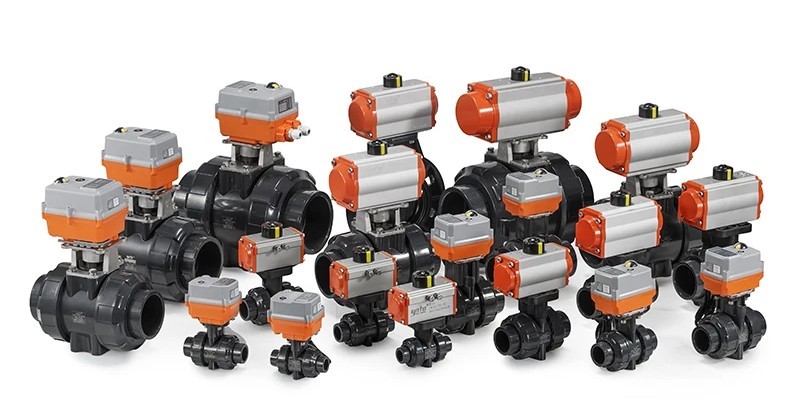
· Flushing Ports and Blowdown Valves: Modern mining valves often have built-in ports. By opening these (often via a small lever or auxiliary valve), operators can pump water in reverse through the valve, pushing sediments back out of the system. This is essentially what makes a valve “flushing.” In some installations, a diaphragm valve is placed as a secondary to isolate the cleaning fluid loop, protecting the main valve body during the flush.
· Filter and Strainer Systems: Before valves, coarse strainers capture debris. Y-strainers and basket filters upstream prevent large rocks and metal shavings from reaching delicate valves. These filters have blowdown drains for periodic flushing too.
· Condition Monitoring: Sensors on valve actuators can track torque or current. A gradual rise may indicate pending sediment buildup. Modern plants sometimes use predictive analytics: when an actuator’s power draw creeps up, a maintenance work order is triggered.
· Materials and Coatings: High-performance seats (e.g., PTFE) and coatings (Halar, FBE) make it harder for sludge to adhere in the first place. While this is a design feature rather than a tool, choosing valves with these materials is part of a maintenance strategy.
Overall, effective maintenance solutions in mining blend good valve design with scheduled cleaning practices. According to industry guidelines, such as those from Valve World and production equipment handbooks, flushing valves and cleaning circuits are considered best practice in mining fluid handling.
Summary and Final Thoughts
Key Advantages of Anti-Clogging Valves
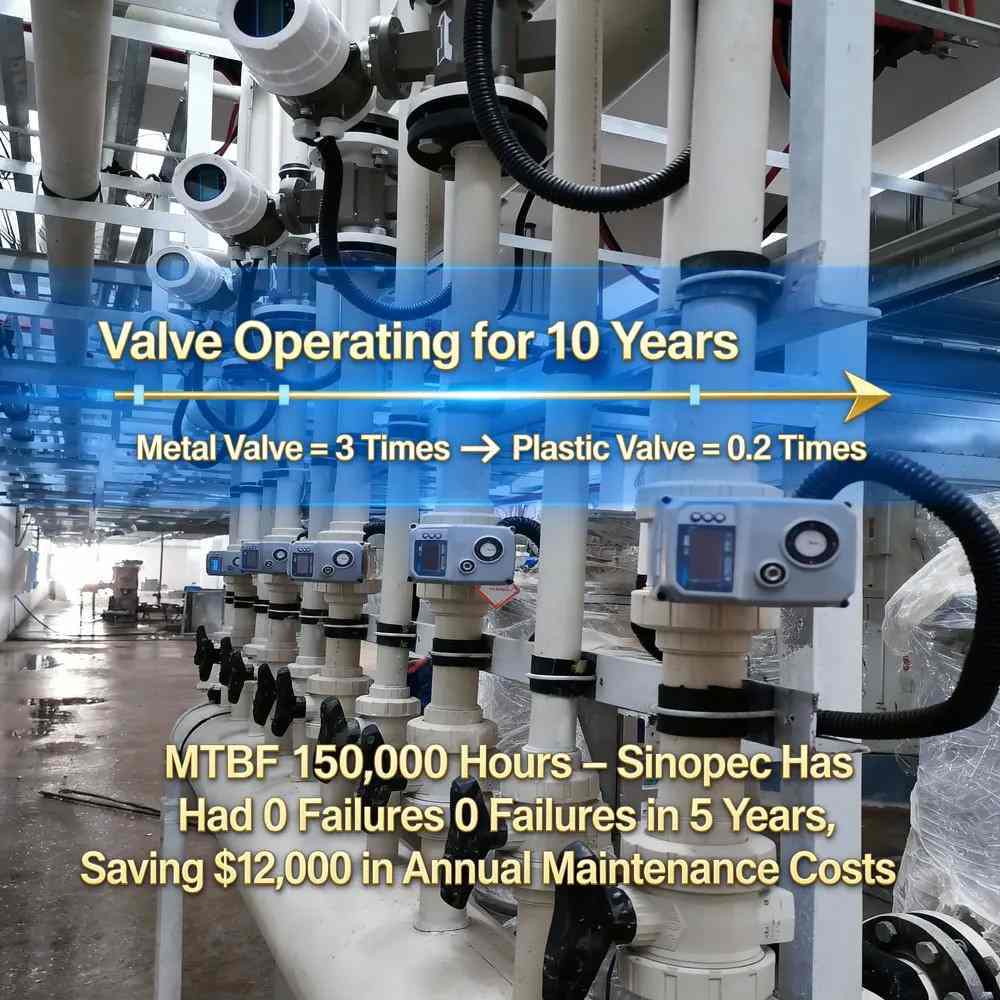
Introducing an anti-clogging flushing valve into a mining operation brings clear benefits. First, reliability improves: operators report far fewer unexpected shutdowns once sediment can be flushed out systematically. Second, efficiency gains appear in lower pump and fan usage – since valves seal better and flows remain as designed. Third, safety is enhanced: a valve that flushes itself requires less manual cleaning, reducing worker exposure to hazardous areas. Materially, anti-clogging valves protect their own internals by letting abrasive particles exit rather than accumulate. This extends seal and actuator life (for example, prolonging PTFE seat service and avoiding over-torquing the actuator drive). In number: companies have seen valve lifetimes double simply by preventing abrasive deposition.
The Future of Mining Valve Technologies
Looking ahead, the role of data and innovation will only grow. Leak detection technology, including acoustic sensors, will spot micro-leaks inside valves before they develop into clogs. Smart valve positioners and networked actuators will automate flush cycles based on real-time flow data. On the hardware side, new materials like boron carbide coatings or self-lubricating composites may make valves even more impervious to sludge. One can imagine a future anti-clogging valve that periodically injects a cleaning fluid automatically via built-in sensors.
For now, mining engineers know that pairing the right valves with a disciplined maintenance plan is key. They choose durable electric ball valves or butterfly valves for isolation, control valves for precise modulation, and advanced electric actuators for reliable automation. By integrating anti-clogging flushing valves into water treatment, slurry transfer, and dust suppression systems, operations stay cleaner, cost less to run, and produce more continuously.
At the end of the day, investing in the right valves – and the knowledge to maintain them – pays dividends in uptime and safety. In a demanding mining environment, that kind of return is the ultimate goal.
.png?imageMogr2/format/webp)
- 2026-09-30 08:25:23
- 2026-09-28 10:28:43
- 2026-09-21 15:23:44