

Sludge Discharge Valve Innovations for Water Plants
- 2026-08-17 11:18:32
- admin
- NO COMMENTS
Innovations in Sludge Discharge Valves at Water Treatment Plants for Improved Performance
At the lower level of a wastewater treatment plant, the sludge line rarely gives much warning before performance begins to deteriorate. The pump still runs. The actuator indicator still shows an open command. Yet the discharge cycle takes longer, differential pressure rises, and the pipe starts to shake as thickened sludge passes through a valve that is no longer opening cleanly.
During inspection, engineers commonly find compacted solids behind the closure element, fibrous material wrapped around the stem, or an actuator operating close to its maximum torque. A small amount of leakage may also appear around aged packing. None of these symptoms looks dramatic on its own. Together, they reduce dewatering capacity, increase pump energy consumption, and make sludge handling less predictable.
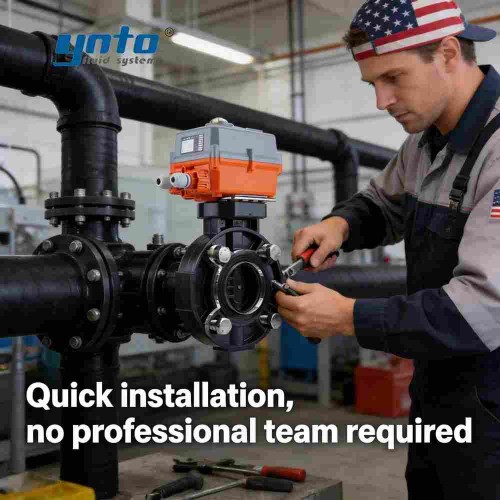
Older imported valves can make the situation harder. Their original spare parts may be expensive, delivery periods may extend beyond the next maintenance shutdown, and discontinued models may no longer match current automation requirements. A properly engineered 1:1 replacement provides another route: retain the original installation envelope, connection standard, actuator logic, and required performance while sourcing a more affordable valve from a capable manufacturer.
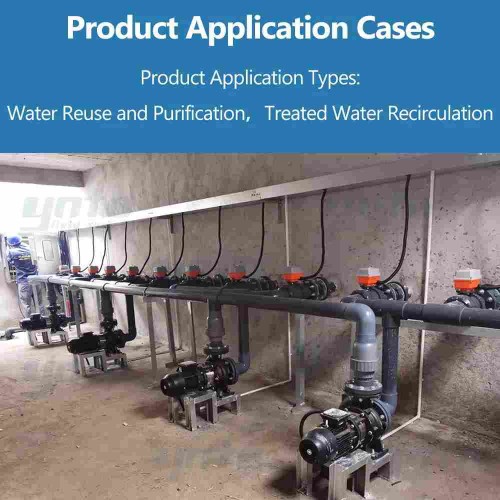
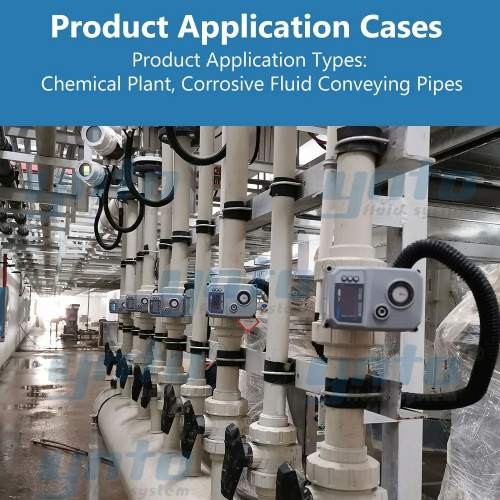
Overview of Sludge Discharge Processes
Definition and Importance in Wastewater Treatment
Definition and Importance in Wastewater Treatment
Wastewater treatment separates liquid from suspended and dissolved contaminants, producing a concentrated residual commonly described as sewage sludge. Once treated to meet applicable requirements for beneficial use, the material may be classified as biosolids. Sludge must still be transferred between clarifiers, thickeners, digesters, holding tanks, dewatering equipment, and final disposal systems.
A sludge discharge valve controls this movement. It may isolate a tank outlet, regulate feed into a centrifuge, divert sludge toward another treatment train, or stop reverse flow after a pump shuts down. The duty sounds simple until the medium is examined closely. Sludge can contain grit, hair, fibers, biological solids, precipitated chemicals, and entrained gas. Its viscosity also changes with solids concentration and temperature.
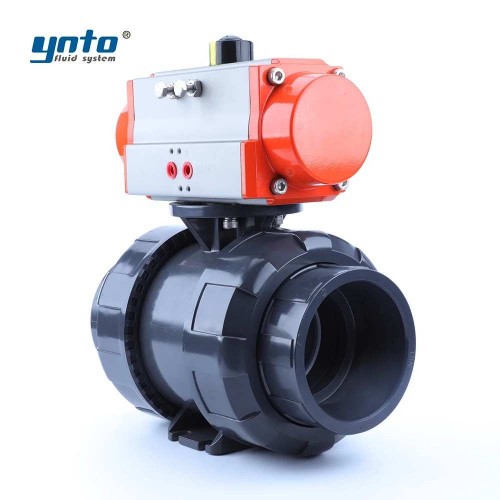
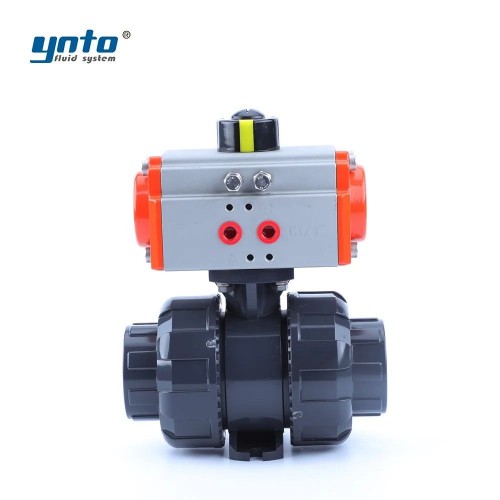
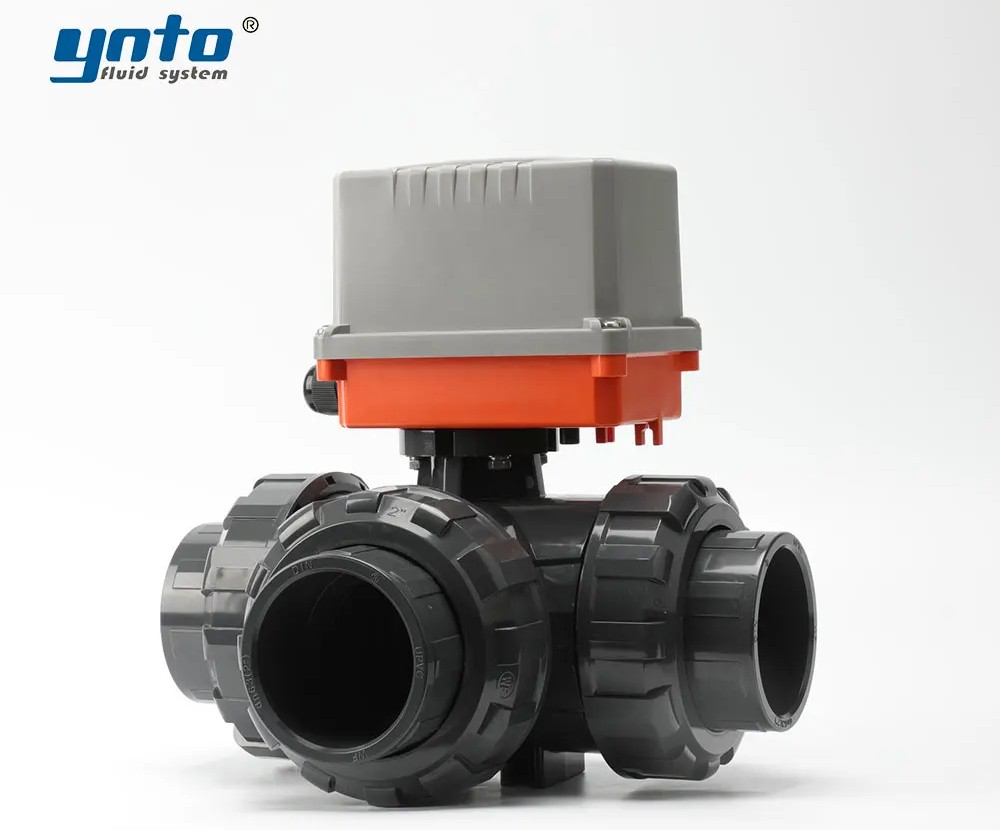
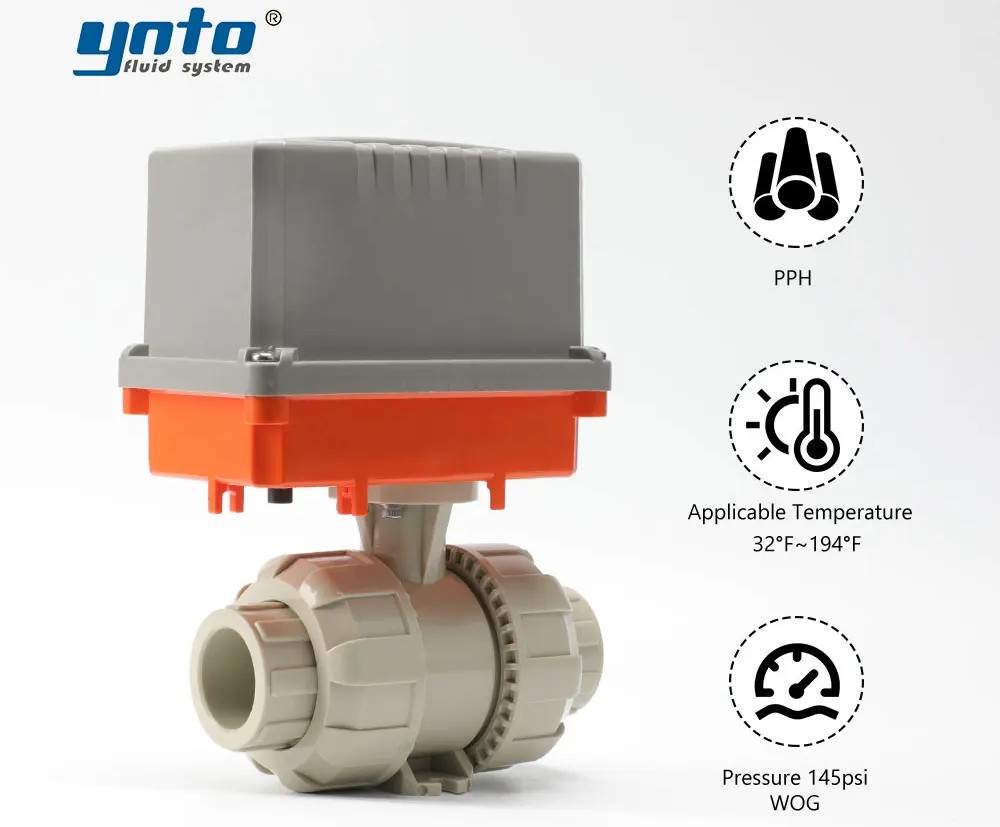
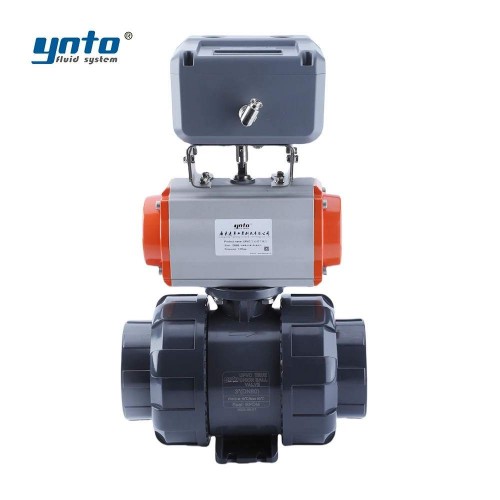
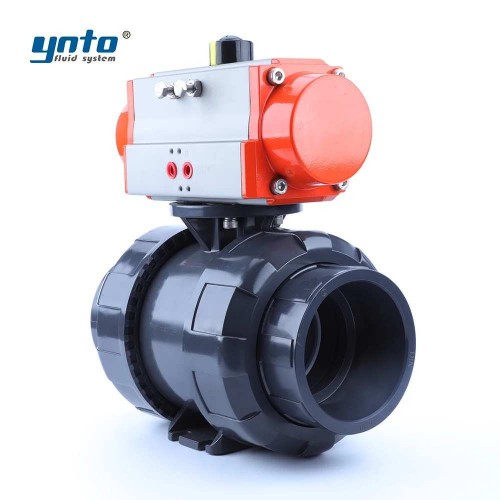
In many field operations, a full-port valve is preferred where unrestricted passage is more important than fine throttling. A corrosion-resistant pneumatic PPH/PVDF plastic ball valve may suit chemical-sludge dosing, neutralization, or wastewater branches where aggressive media would shorten the life of an unprotected carbon-steel body. Its available PVC-U, CPVC, PP-H, and PVDF body options allow the material to be matched to the actual chemical and temperature range.
Challenges Faced in Sludge Management
Sludge management becomes difficult when valve selection is based only on nominal pipe size. A DN100 clean-water valve and a DN100 sludge valve may share the same flange dimensions, but they do not face the same operating conditions.
Engineers often notice the first problem during a low-flow discharge cycle. Solids settle around the ball, disc, or seat. The valve then requires more torque during the next opening command. The resulting chain is straightforward:
Low velocity → solids deposition → restricted movement → higher actuator torque → delayed or incomplete discharge.
Pressure instability creates another failure mechanism. A positive-displacement sludge pump can generate pulses that make the closure element vibrate slightly. Repeated pressure pulsation leads to micro-movement, localized seat wear, and eventually internal leakage. The impact is not limited to the valve. Uncontrolled seepage can overfill downstream equipment or disturb a carefully timed dewatering sequence.
Safety also matters. Sludge lines may contain corrosive treatment chemicals, biological hazards, hydrogen sulfide, methane, or residual pressure trapped between isolation points. Before maintenance, operators need verified isolation, pressure release, drainage, ventilation, and lockout procedures. A valve that appears closed but leaks across the seat cannot be treated as a safe isolation barrier without additional verification.
Technological Advances in Valve Design
Features of Modern Sludge Discharge Valves
Modern sludge valves are designed around larger, smoother flow paths and fewer internal pockets. Full-bore ball valves, resilient-seated butterfly valves, diaphragm valves, and specialized gate designs each have a place, depending on solids content and operating frequency.
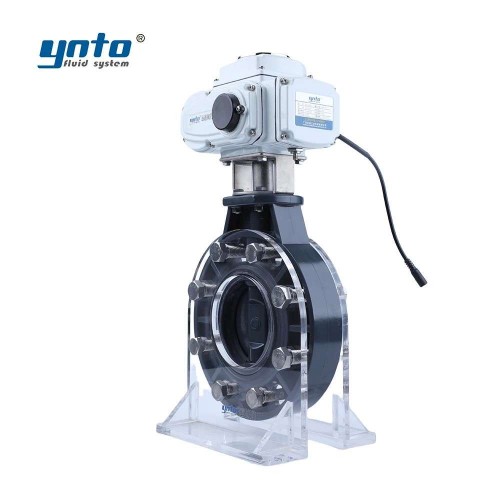
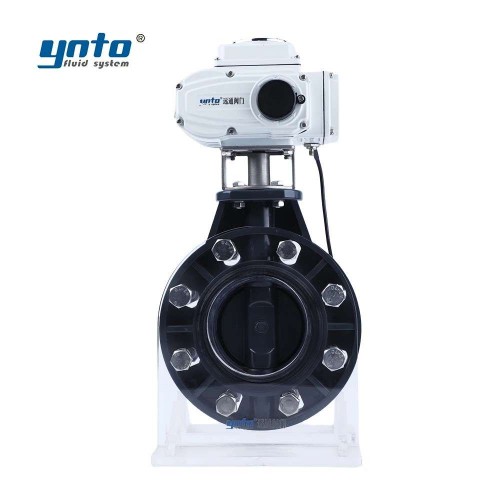
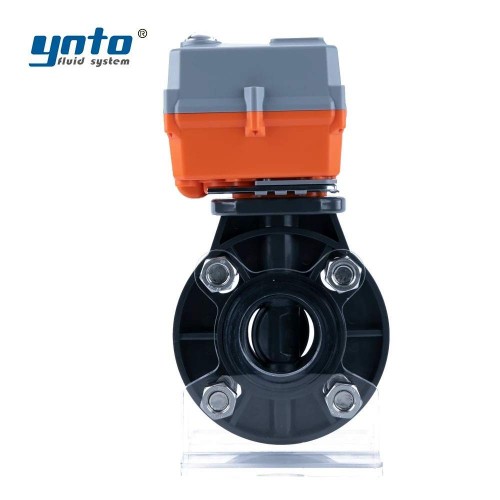
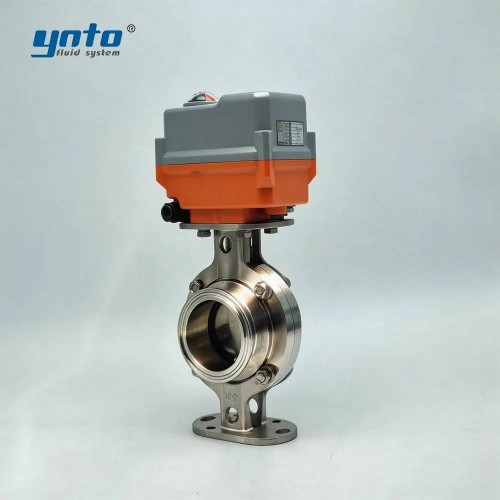
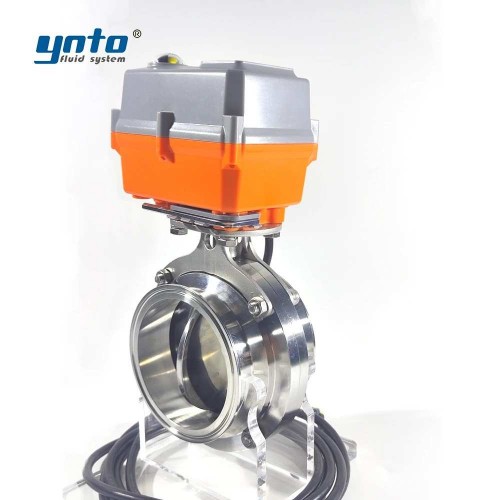
For larger water-treatment lines, butterfly valves provide a compact installation and lower mass than many equivalent flanged valves. Where the sludge stream contains aggressive chemicals but remains sufficiently fluid, an electric PVDF butterfly valve offers corrosion-resistant construction with electric actuation and control options suitable for PLC, DCS, or SCADA integration. The published design is intended for water treatment, chemical handling, and other corrosive services.
The actuator must be selected with realistic torque margin. Using only clean-water breakaway torque is a common procurement error. Sludge settling, seal aging, temperature change, and long idle periods can all increase the force required to move the valve. A practical design usually includes allowance for these conditions rather than operating the actuator near its rated limit from the first day.
Position feedback is equally useful. A control system that records only the command cannot distinguish between a valve that opened and one that merely received voltage. Limit switches, continuous position feedback, torque monitoring, and stroke-time alarms reveal mechanical deterioration before the discharge cycle fails completely.
Materials Used for Durability and Efficiency
Material selection should begin with the sludge chemistry. Carbon steel remains economical for many municipal services, particularly where internal coatings protect the body. FBE coatings are commonly considered where corrosion protection is needed on metal surfaces. Halar may be chosen for more aggressive chemical exposure, although the coating system must be compatible with temperature, abrasion, and the substrate.
316L stainless steel offers improved resistance in wet and mildly corrosive environments, but it is not automatically suitable for every chloride concentration. Duplex or Super Duplex may be justified for severe chloride exposure, seawater-related sludge, or high-corrosion industrial wastewater. These materials cost more initially, so their use should be driven by corrosion data rather than habit.
Seal selection deserves the same care. EPDM performs well in many water-based duties, while FKM is often selected for greater resistance to oils, elevated temperatures, and certain chemicals. PTFE offers broad chemical compatibility and low friction but may require a different seat design where abrasive solids are present.
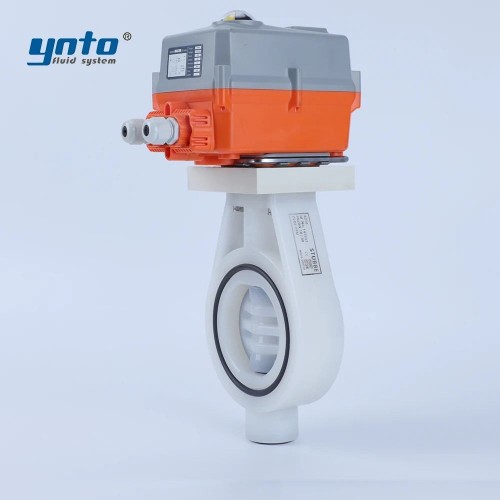
Where the sludge-management process includes acid, alkali, or coagulant dosing, a PVDF diaphragm valve can isolate the operating mechanism from the fluid. The manufacturer identifies applications including wastewater recycling, chemical transport, and water treatment. This separation reduces the number of moving components exposed to corrosive media.
The cause-and-effect relationship is clear:
Corrosive medium → unsuitable body or seal material → pitting, swelling, or hardening → leakage and shortened service life.
Choosing the correct material interrupts that chain before failure begins.
Valve Automation Solutions
Enhancements in Operational Efficiency
Valve automation solutions improve sludge handling by making discharge cycles repeatable. Instead of relying on an operator to estimate opening time, the control system can coordinate the valve with tank level, pump status, solids concentration, and dewatering-equipment readiness.
For engineers working on site, stroke time is an important diagnostic value. If a valve normally opens in eight seconds and later requires thirteen, the change may indicate solids accumulation, declining air pressure, actuator wear, or increased seat friction. Monitoring that trend allows maintenance to be scheduled before the valve sticks.
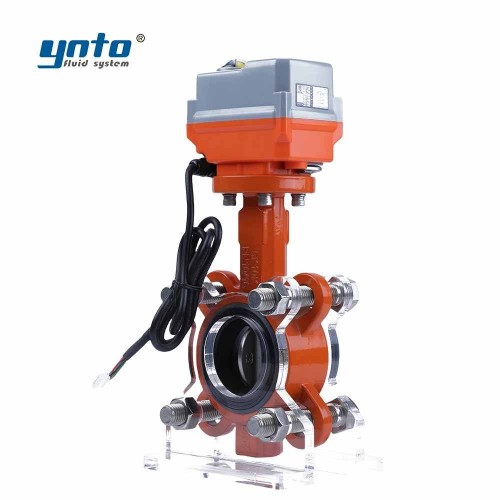
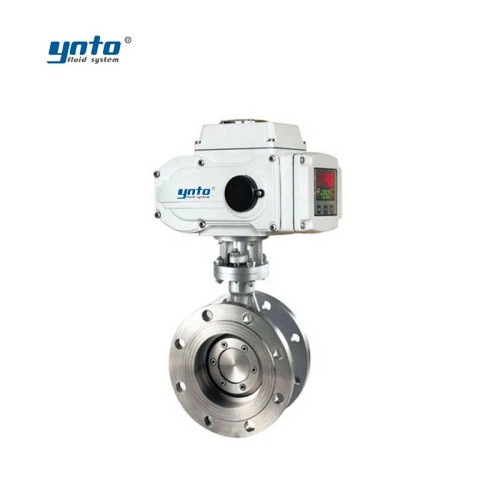
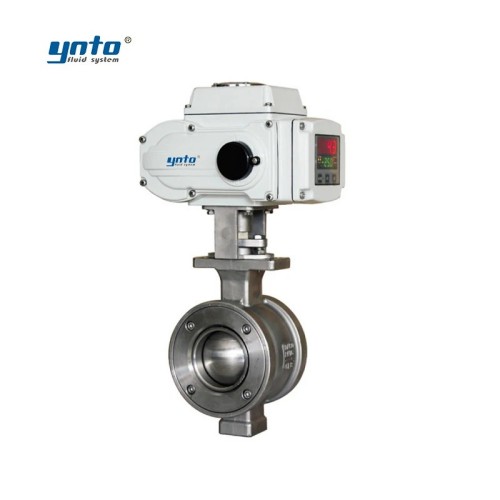
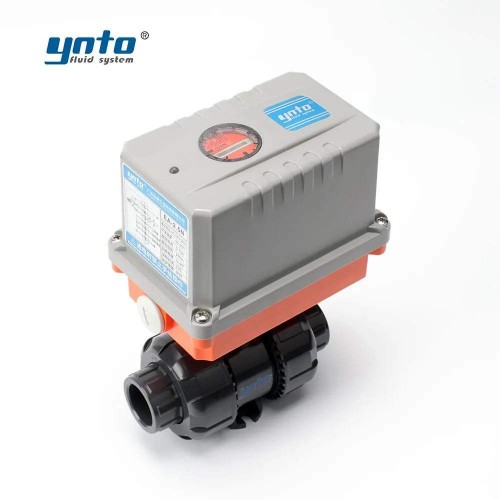
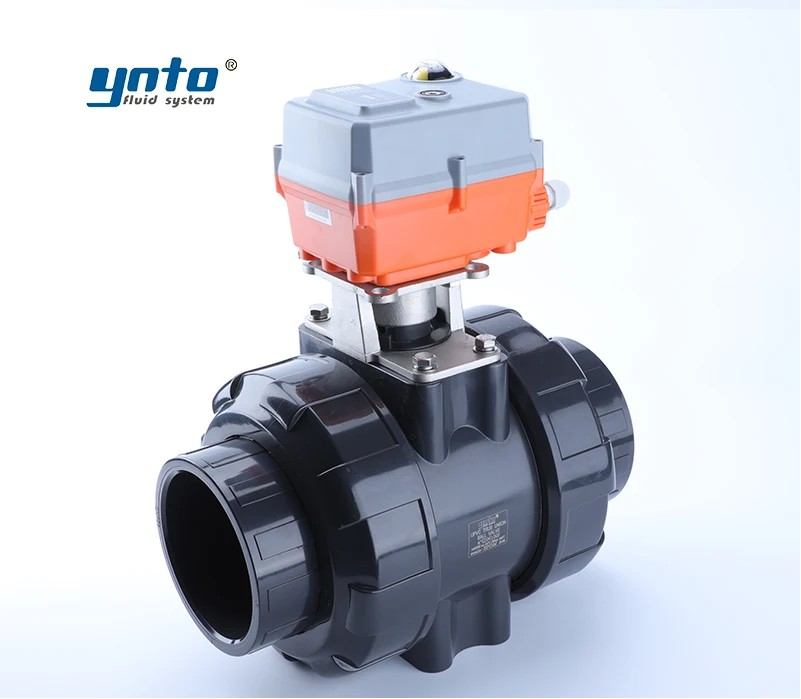
A fast-acting electric valve actuator can support on-off, modulating, bus-control, or wireless configurations. Published voltage options include common AC and DC supplies as well as a wide-voltage range, which is useful when replacing an older imported actuator whose original electrical specification is difficult or costly to source.
This is also where 1:1 replacement becomes commercially attractive. A replacement package can be engineered to match the old valve’s face-to-face dimensions, flange drilling, stem height, actuator orientation, control signal, feedback contacts, and fail position. The plant avoids pipe modifications and control-panel redesign. Procurement cost can be lower than the original imported brand, while performance is maintained through material verification, torque calculation, dimensional inspection, and factory testing.
The term “1:1” should not mean visual imitation. It means functional and dimensional interchangeability verified against the original datasheet, drawings, sample valve, or site measurements.
Integration with Smart Water Management Systems
Smart water management systems combine process measurements with automated decision-making. In sludge service, the control system may use tank level, pump current, flow rate, pressure, valve position, and solids data to adjust discharge frequency.
A pressure rise upstream of the valve, combined with reduced downstream flow, suggests partial obstruction. Rising actuator torque points toward mechanical resistance. A longer-than-normal stroke may indicate deposit buildup before total blockage occurs. These signals become more useful when they are trended together rather than viewed as isolated alarms.
Pressure control is also important around dewatering equipment and long discharge lines. A self-operated pressure control valve uses process pressure as its operating energy and can stabilize upstream or downstream conditions without an additional external power source. In suitable clean-side utility or liquid-control duties around the sludge process, this can reduce pressure fluctuation and protect downstream equipment.
Automation does not remove the need for mechanical inspection. Sensors can identify changing behavior, but operators still need to inspect seats, diaphragms, packings, coatings, fasteners, and actuator couplings during planned shutdowns.
Environmental Impact and Compliance
Meeting Waste Management Regulations
Waste management regulations affect how sludge is treated, transported, reused, and disposed of. In the United States, EPA rules distinguish sewage sludge from biosolids treated for beneficial use and recognize land application, landfilling, and incineration among the principal management routes.
Valve reliability supports compliance indirectly but materially. A leaking sludge valve can release untreated solids, contaminate drainage systems, or cause an overflow. An unreliable diversion valve may send material to the wrong processing train. Poor isolation can also expose maintenance personnel to biological or chemical hazards.
Pressure-boundary integrity should therefore be verified rather than assumed. ASME B16.34 addresses pressure-temperature ratings, materials, testing, marking, and dimensional requirements for applicable metal valves. ISO 5208 specifies examinations and tests used to verify pressure-boundary integrity, closure tightness, and structural adequacy. API 598 covers valve inspection and testing, while DIN EN 558 establishes face-to-face and center-to-face dimensions for flanged metal valves.
These standards are especially useful in 1:1 replacement projects. DIN or ANSI/ASME dimensions help confirm installation compatibility, while ISO or API testing requirements provide an objective basis for evaluating whether the replacement can perform like the imported original.
Innovations to Reduce Environmental Footprint
Reducing sludge volume is one of the most effective ways to lower storage, transport, and disposal demand. Centrifugal thickening and dewatering separate solids from liquid to produce a sludge cake; EPA notes that dewatering reduces residual volume and can lower the cost of later storage, transfer, processing, or disposal.
The discharge valve contributes by delivering stable feed to the dewatering equipment. Surging flow produces inconsistent cake quality and can increase polymer consumption. Restricted flow forces pumps to work harder. Internal leakage may allow unwanted dilution water into the sludge stream, reducing dewatering efficiency.
Modern valves reduce the environmental footprint through improved shut-off, corrosion resistance, lower actuator energy demand, and longer maintenance intervals. A durable 1:1 replacement also avoids unnecessary reconstruction of existing pipework. Less cutting, welding, transport, and discarded equipment means lower material consumption during retrofit work.
Case Studies in Successful Implementation
Examples from Leading Water Treatment Plants
Across large municipal and industrial plants, successful sludge-valve projects tend to follow the same engineering pattern. The plant first identifies the actual failure mode rather than simply ordering the same valve again. If solid accumulation caused the problem, the replacement receives a larger or smoother flow path. If corrosion attacked the body, the material or lining changes. If the actuator stalled, torque margin and feedback are revised.
An older imported valve may be replaced during a short shutdown using a matching face-to-face dimension and flange pattern. The new unit retains the existing pipe supports and control wiring. During commissioning, technicians verify local and remote operation, fail position, stroke time, feedback, and seat tightness.
The economic advantage comes from avoiding both imported-brand pricing and system modification. Performance does not have to decline. It is protected by confirming operating data, materials, dimensions, actuator sizing, and test requirements before manufacturing.
Lessons Learned from Real-World Applications
The first lesson is that sludge concentration changes. A valve selected for 1.5% solids may struggle after process optimization raises the concentration to 4%. Procurement should consider the expected future operating window rather than only current average conditions.
The second lesson concerns installation position. A valve placed where solids settle during idle periods will experience higher breakaway torque. Drainable piping, adequate flushing connections, and correct valve orientation can improve reliability without changing the valve itself.
The third lesson is to inspect the full assembly. Replacing the valve body while reusing an undersized or worn actuator often recreates the same failure. Likewise, a high-quality valve cannot compensate for unstable air supply, poor electrical connections, or incorrect control logic.
Future Directions in Sludge Discharge Valve Technology
Potential Developments in Design and Functionality
Future sludge valves will increasingly combine mechanical improvements with condition monitoring. Torque signatures, vibration data, motor current, pressure difference, and stroke time can provide early warning of blockage or seal degradation.
Self-flushing cavities, replaceable wear components, improved anti-abrasion coatings, and modular actuator interfaces will make maintenance faster. Wider voltage compatibility and standardized mounting will also simplify replacement of obsolete imported equipment.
For buyers, the strongest opportunity lies in combining customization with interchangeability. A manufacturer can reproduce the critical dimensions and functions of the original brand while improving the material, actuator, sealing system, or feedback arrangement where the old design has shown weakness.
Impact of Industry Trends on Future Innovations
Water scarcity, stricter effluent limits, higher energy costs, and greater pressure to recover resources from sludge are pushing wastewater treatment technology toward more stable and measurable operation. Environmental engineering solutions will increasingly connect valves with pumps, dewatering technology, and plant analytics.
Industrial valve applications will also become more service-specific. Instead of one standard valve being used across every sludge line, plants will select different designs for primary sludge, digested sludge, chemical sludge, filtrate, and corrosive dosing systems.
Meanwhile, procurement teams will continue looking for alternatives to long imported-brand lead times. Cost-effective 1:1 replacement offers a practical response, provided the supplier can demonstrate dimensional control, material traceability, actuator compatibility, and verified testing.
Conclusion
Summary of Innovations and Their Benefits
Sludge discharge valves influence far more than simple on-off flow. They affect pump loading, dewatering stability, worker safety, effluent disposal methods, environmental compliance, and total operating cost.
Modern designs improve performance through smoother flow paths, corrosion-resistant materials, stronger sealing systems, correctly sized actuators, and intelligent feedback. Automation makes problems visible earlier. Material selection interrupts corrosion before it becomes leakage. Standardized testing gives the buyer measurable evidence of quality.
For plants operating aging imported equipment, a customized 1:1 replacement can preserve installation dimensions and required performance at a more affordable price. The best results come from matching the complete duty: medium, solids concentration, pressure, temperature, connection standard, actuator torque, control signal, fail position, and leakage requirement.
A sludge valve should not become the weakest point in an otherwise advanced treatment process. Specified correctly, it becomes part of the plant’s wastewater treatment efficiency strategy.
.png?imageMogr2/format/webp)
- 2026-09-30 08:25:23
- 2026-09-28 10:28:43
- 2026-09-21 15:23:44