

The Future of Efficiency: Electric Actuators for Industrial Automation Explained
- 2026-03-23 12:00:00
- admin
- NO COMMENTS
Understanding Industrial Automation Solutions
Defining Key Components
On the floor of a modern manufacturing facility, conveyors hum and robots articulate with precision. Industrial automation solutions coordinate countless operations—from material handling to packaging—through a network of sensors, controllers, and actuators. During routine checks, engineers often notice subtle pressure fluctuations in process lines when a valve operates at partial opening. This transient instability causes the valve plug to micro-vibrate, increasing wear on seats and leading to delayed response times. Such observations speak to the critical role of actuation in maintaining steady flow and pressure control.
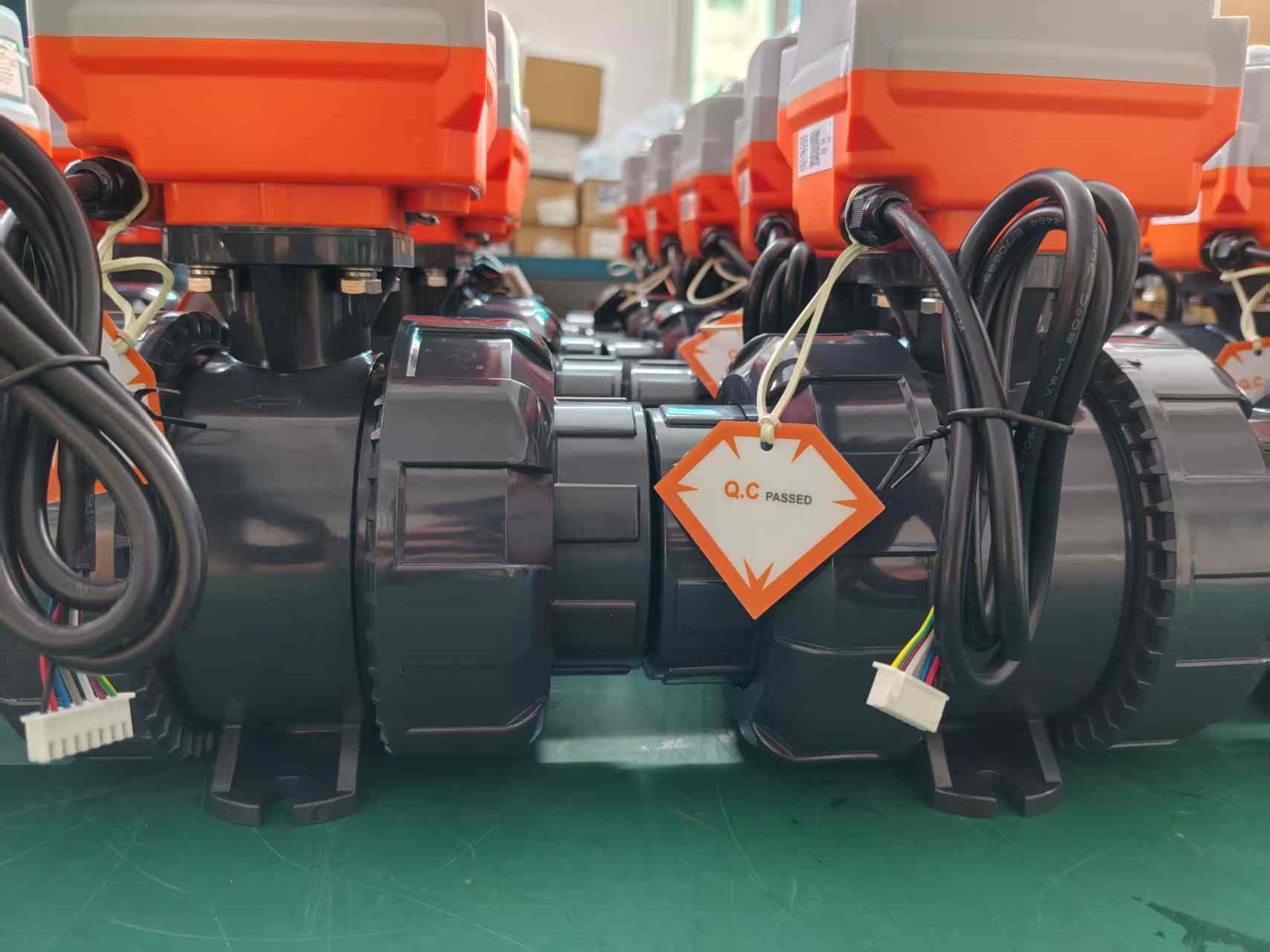
At the heart of these systems are programmable logic controllers (PLCs), field devices, and actuation mechanisms. PLCs receive signals from sensors, process them, and send commands to actuators that modulate valve openings and equipment positions. When corrosive fluids flow through a valve, chemical attack may degrade sealing materials like PTFE or EPDM. Over time, this degradation causes tiny leaks that compromise process control and increase maintenance workload. In high-temperature services, gasket fatigue can also produce small leaks, destabilizing control loops. Engineers must understand these cause–effect relationships to choose components wisely and design reliable automation architectures.
Importance of Actuation in Automation
In many field operations, actuators transform signals into mechanical movement. Pneumatic actuators are still common because of their simplicity and reliability, but electric actuators are gaining ground as industry seeks finer control and reduced maintenance. When piping pressure oscillates, conventional pneumatic actuators may amplify small pressure changes, causing oscillations in valve position. This vibration can lead to seat wear and sluggish response. With electric actuators, movement originates from a motor–gearbox combination that delivers predictable torque and speed. Engineers working on site often observe that electric actuators maintain steady positioning despite fluctuating process conditions.
Another cause–effect chain involves corrosion and actuation. In corrosive environments such as acid dosing systems, improper material selection leads to rapid stem and housing degradation. This deterioration increases friction and actuator torque, causing valves to stick and requiring higher motor power. Selecting materials like 316L stainless steel or duplex alloys, along with protective coatings such as FBE or Halar, helps mitigate corrosion and maintain actuator performance. By understanding these links, engineers can implement actuation strategies that ensure consistent control, limit unplanned downtime, and support overall system efficiency.
An In-depth Look at Electric Linear Actuators
Functionality and Design
Electric linear actuators convert electrical energy into linear motion using a motor, screw mechanism, and guidance system. Inside the housing, a motor drives a lead screw or ball screw that translates rotational motion into a precise axial stroke. Engineers appreciate electric linear actuators because they offer excellent positioning accuracy, repeatability, and feedback via integrated encoders or potentiometers. Unlike their pneumatic counterparts, electric actuators deliver constant force independent of air pressure fluctuations. They can be programmed for variable speeds, acceleration profiles, and pre-set positions—capabilities essential for industrial processes requiring synchronization and coordinated motion control.
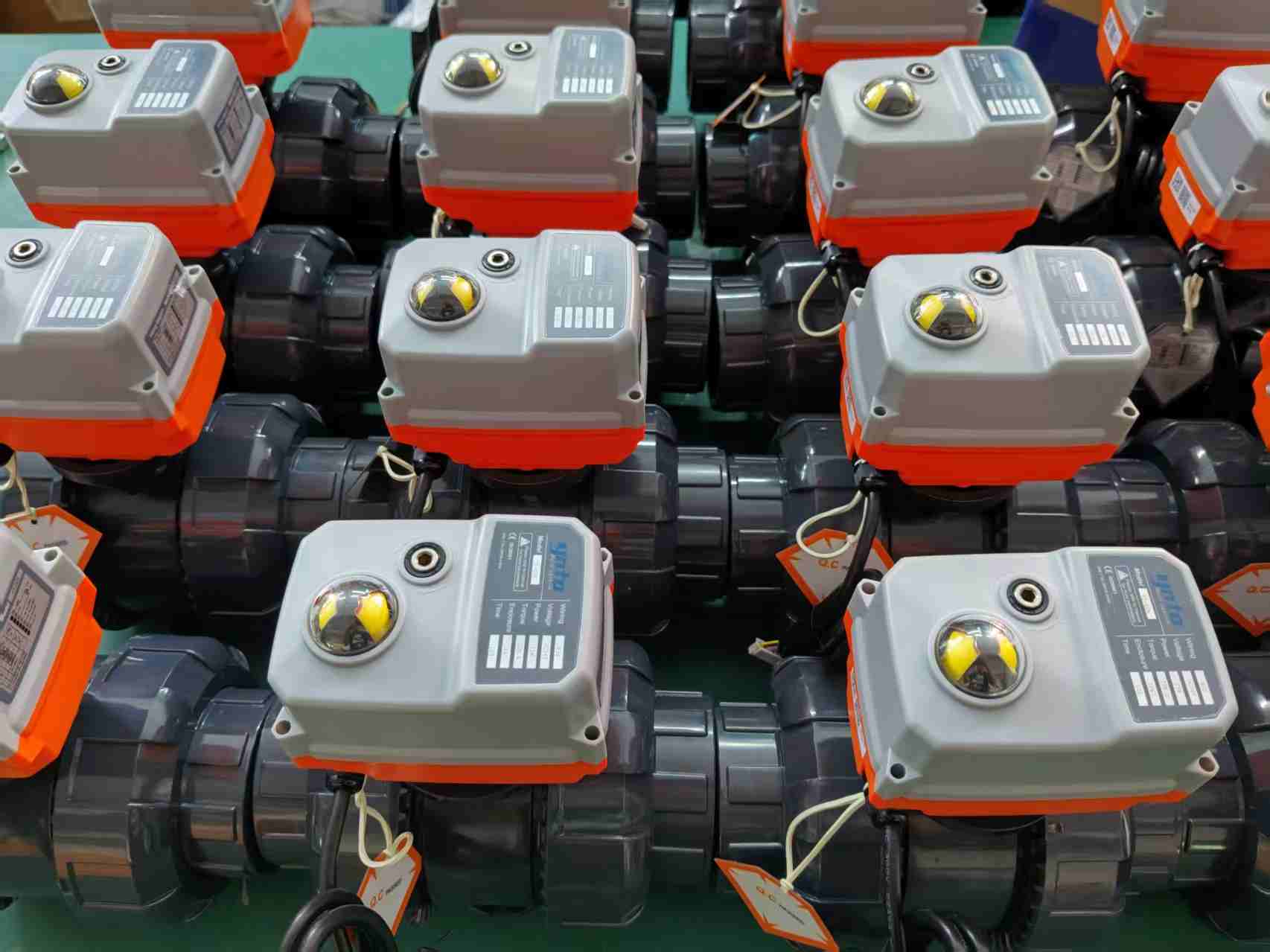
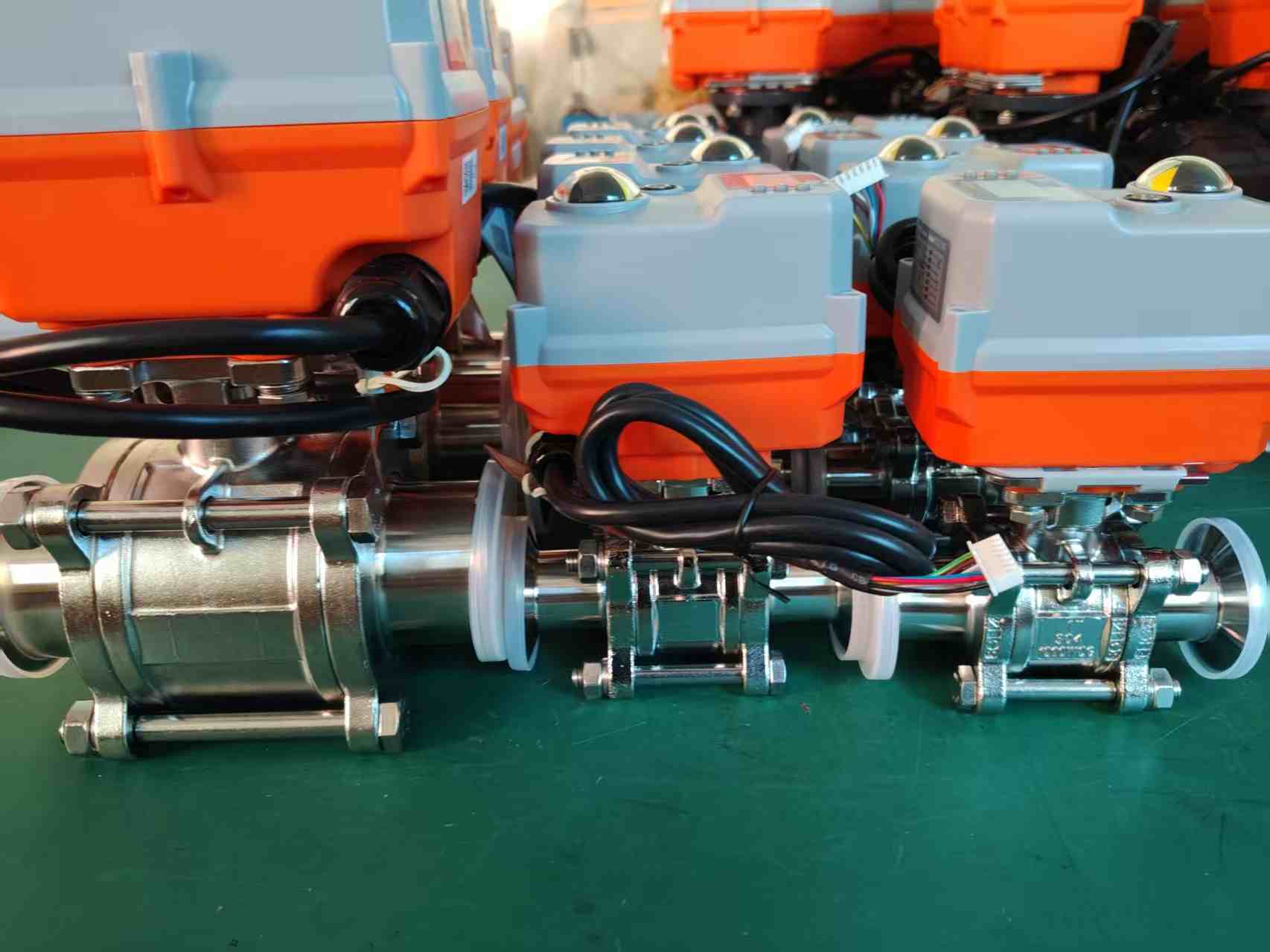
Design choices influence actuator performance. High-end models use stainless steel housings and PTFE or FKM seals to withstand corrosive media. For salt water or aggressive chemicals, duplex or super duplex stainless steel may be necessary. Housings can be coated with Halar to provide an extra barrier against corrosion. The choice of screw type—acme, ball, or roller—affects efficiency and backdrive capability. Lubrication materials must align with process cleanliness, especially in food and beverage applications where sanitary piping is essential. Engineers often install electric actuators on sanitary valves to maintain hygienic processing conditions. In automated beverage lines, for example, stainless steel actuators control flow through electric linear actuators, providing smooth, washdown-resistant operation while meeting stringent hygiene standards.
Another significant benefit of electric actuators is their compatibility with electronic valve position sensors. These sensors provide continuous feedback to PLCs, ensuring that the valve position matches the control setpoint. If the sensor detects a deviation—perhaps due to mechanical wear or obstruction—the PLC can adjust the output or trigger an alarm. This closed-loop control architecture enhances reliability and enables predictive maintenance. By monitoring trends in actuator torque and stroke time, engineers can detect early signs of failure and plan maintenance before production is affected.
Pros and Cons Compared to Pneumatic Actuators
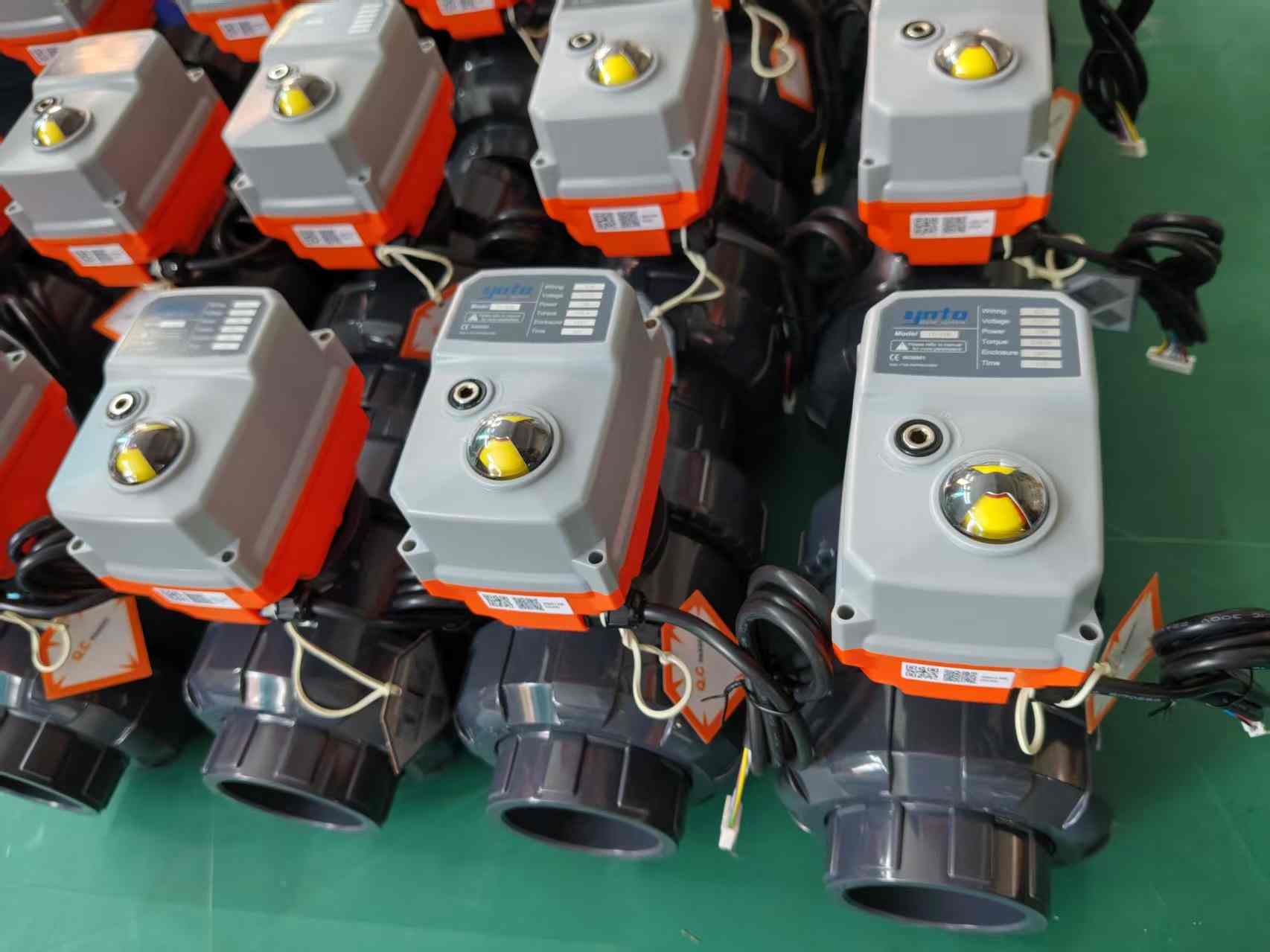
Pneumatic actuators have long dominated the process industries because of their simplicity, speed, and intrinsic safety. They use compressed air to generate force, making them safe for hazardous environments where explosive gases are present. However, pneumatic systems require compressors, air preparation equipment, and regular maintenance to manage moisture and contaminants. They also suffer from variations in line pressure that can affect positioning accuracy. Electric actuators, on the other hand, eliminate the need for compressed air infrastructure and offer superior control precision. They deliver consistent torque, especially at low speeds, and can hold a position without consuming energy. For this reason, many engineers are migrating from pneumatic to electric solutions in applications where accuracy and energy efficiency are paramount.
Still, electric actuators have considerations. They require proper sealing and enclosures to meet explosion-proof or IP66/67 ratings when used in hazardous locations. The initial cost is often higher than that of pneumatic actuators, and care must be taken to manage heat dissipation in continuous-duty service. In addition, electric actuators may require more complex electronic interfaces and integration with motion control systems. Engineers must weigh these factors when selecting the optimal actuation method. In many cases, a hybrid approach is adopted—electric actuators on critical control valves where precision matters, and pneumatic actuators on simple on/off or fail-safe valves.
When discussing the pros and cons, it's useful to compare pneumatic actuators with electric actuators in terms of total cost of ownership, energy consumption, and maintenance burden. While compressed air systems may appear inexpensive initially, the cost of leaks, inefficiencies, and compressor maintenance can be significant over the life of a plant. Electric systems can offer lower long-term costs and improved control, contributing to overall process optimization.
The Synergy of Motion Control Systems and Electric Actuators
How Electric Actuators Enhance Motion Control
Motion control systems coordinate the movement of machines and mechanisms through precise timing and positioning commands. They rely on actuators to convert control signals into movement, and the quality of actuation directly affects overall system performance. Electric actuators excel in this context because they allow programmable motion profiles, including acceleration, deceleration, and dwell times. Using servo drives and PLCs, engineers can synchronize multiple actuators for complex sequencing tasks. In contrast, pneumatic devices often struggle with fine position control and repeatability. By integrating electric actuators, motion controllers can execute multi-axis trajectories with minimal overshoot and settle time, leading to smoother processes and higher throughput.
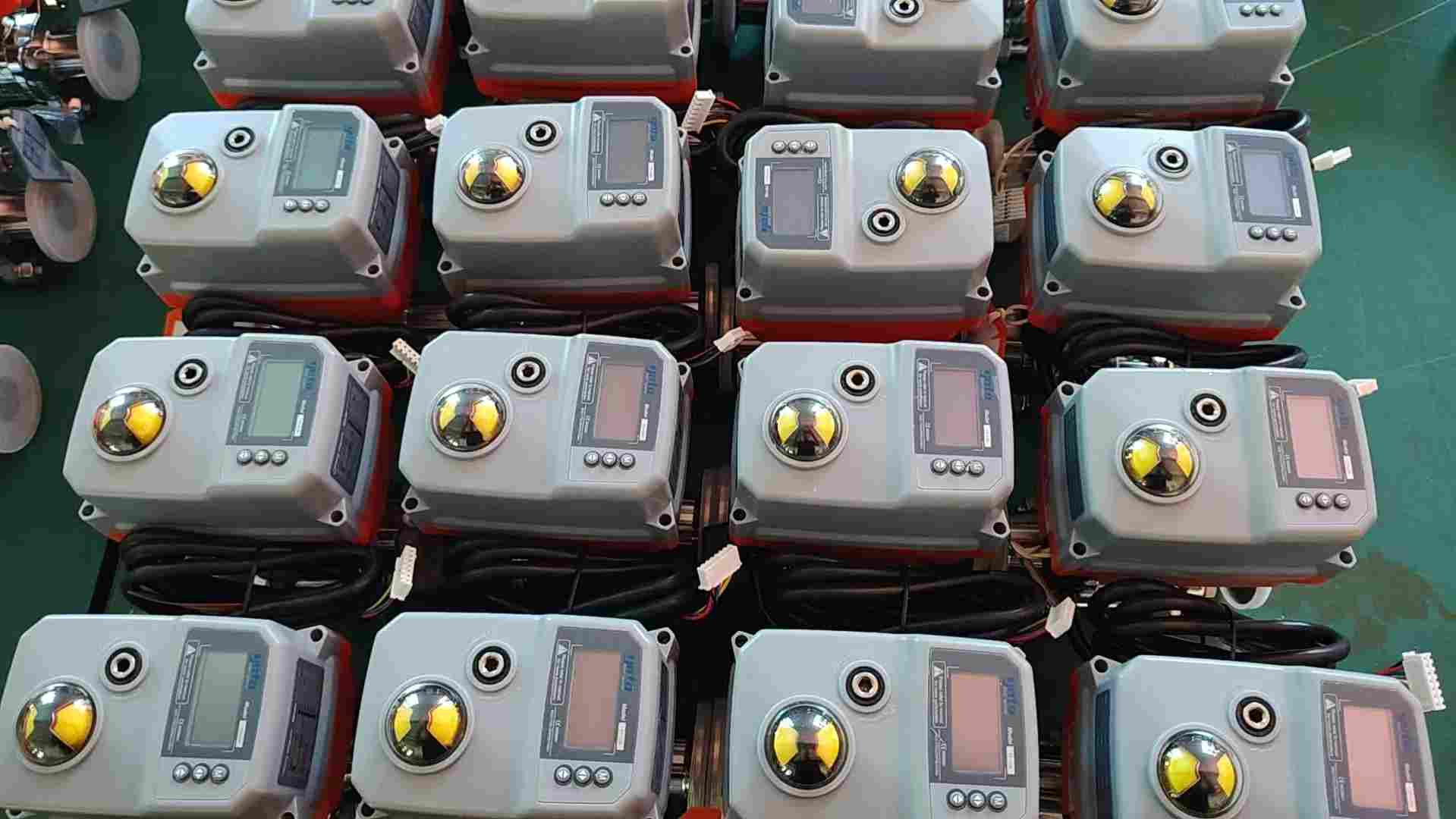
For example, in a pick-and-place robot, electric linear actuators control the end effector’s vertical travel and gripper motion. Motion controllers coordinate these axes with belt-driven conveyors to pick items from a moving line and deposit them into packaging trays. The synergy between controller algorithms and electric actuators enables millisecond-level precision, which is critical for high-speed manufacturing. Similarly, in assembly systems, electric actuators provide the force and stroke control needed for press-fitting components. By adjusting speed and force profiles, the system can accommodate different materials and part tolerances without mechanical adjustments.
Use Cases in Manufacturing and Robotics
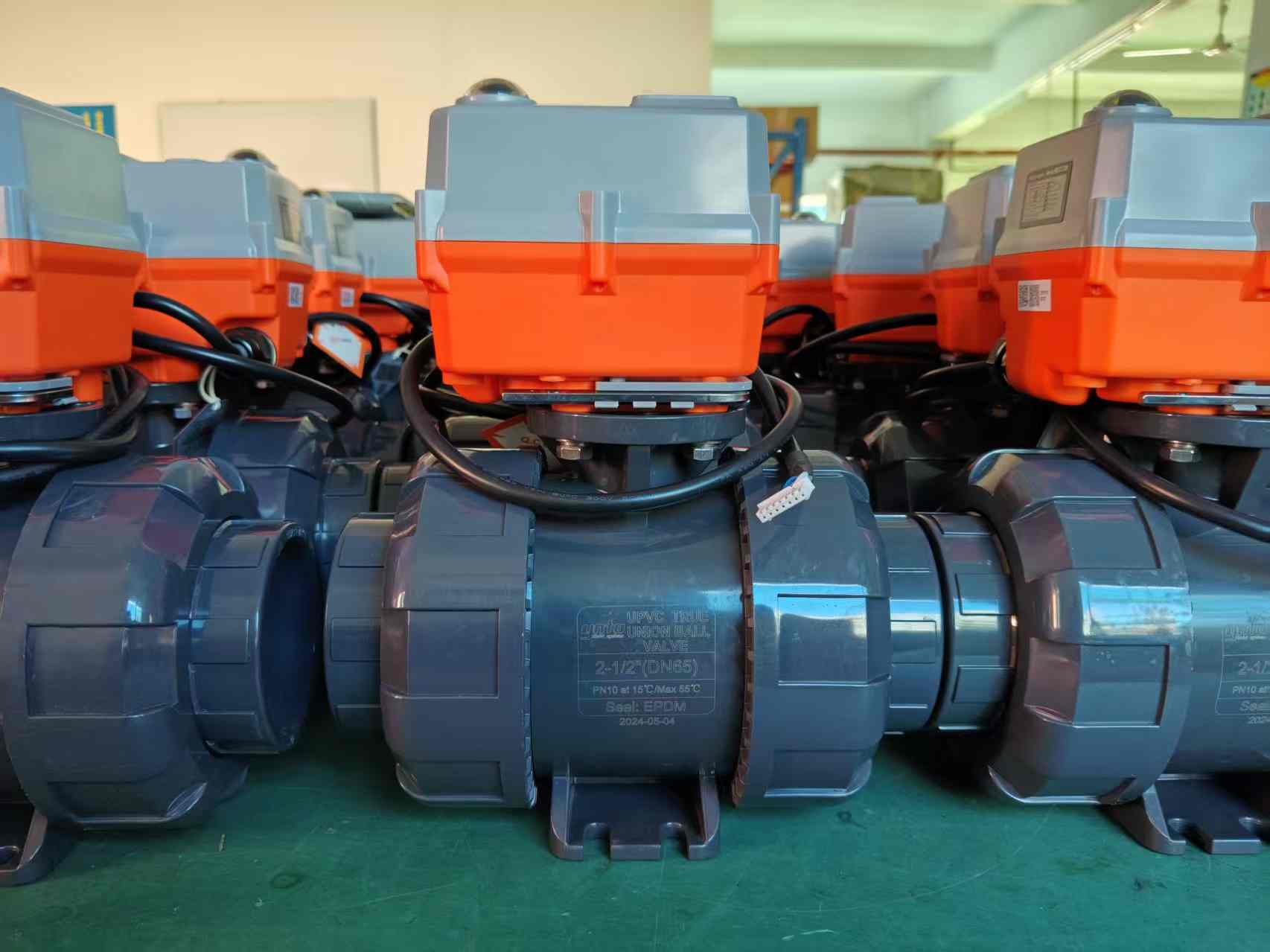
Across diverse industries, electric actuators are enhancing productivity and quality. In pharmaceutical manufacturing, sanitary-grade electric actuators manage precise dosing of active ingredients into mixing vessels. The closed-loop control ensures repeatable volume delivery and reduces material waste. In semiconductor fabrication, cleanroom-compatible electric actuators position wafers with sub-millimeter accuracy. Their sealed housings and low particle generation are essential in this ultra-clean environment.
In robotics, electric actuators enable collaborative robots (cobots) to interact safely with humans. Cobots often use servo-controlled joints with integrated position sensors to achieve smooth, responsive motion. By combining motion control systems and servo technology, these actuators can adjust force dynamically, making them ideal for tasks like assembly, packaging, or material handling. Automotive manufacturers employ electric actuators in body-in-white assembly lines for tasks such as welding and riveting, where high precision and consistent force are necessary.
Servo Actuators: Precision in Automation
Characteristics and Advantages
A servo actuator consists of a motor, drive electronics, and feedback device packaged as an integrated unit. Unlike open-loop motor systems, servo actuators provide continuous feedback to maintain commanded position, speed, or torque. They use encoders or resolvers to measure actual position and adjust motor current accordingly. This closed-loop control yields high accuracy, fast response, and low overshoot. Engineers use servo actuators when precise motion and repeatability are critical—such as in CNC machines, pick-and-place robotics, or packaging equipment.
Servo actuators also support advanced features such as electronic gearing and camming, which allow complex motion profiles to be simulated digitally. They can replicate mechanical cams and gears in software, reducing mechanical complexity. In addition, servo drives provide diagnostics such as motor temperature, load torque, and position error. These data points enable predictive maintenance and help identify potential issues before failure occurs. Integration with communication protocols like EtherCAT or Profinet allows servo systems to be synchronized across entire production lines.
Applications in Different Industries
Servo actuators are ubiquitous in high-speed packaging, electronics assembly, and robotics. In food and beverage processing, servo-driven filling machines dispense beverages with consistent volume and minimal foaming. In the textile industry, servo actuators control tension and feed rates to produce uniform fabrics. Medical device manufacturers rely on servo actuators for precision assembly and testing of instruments. In aerospace manufacturing, servo actuators provide the accuracy needed for drilling holes and installing fasteners in complex structures.
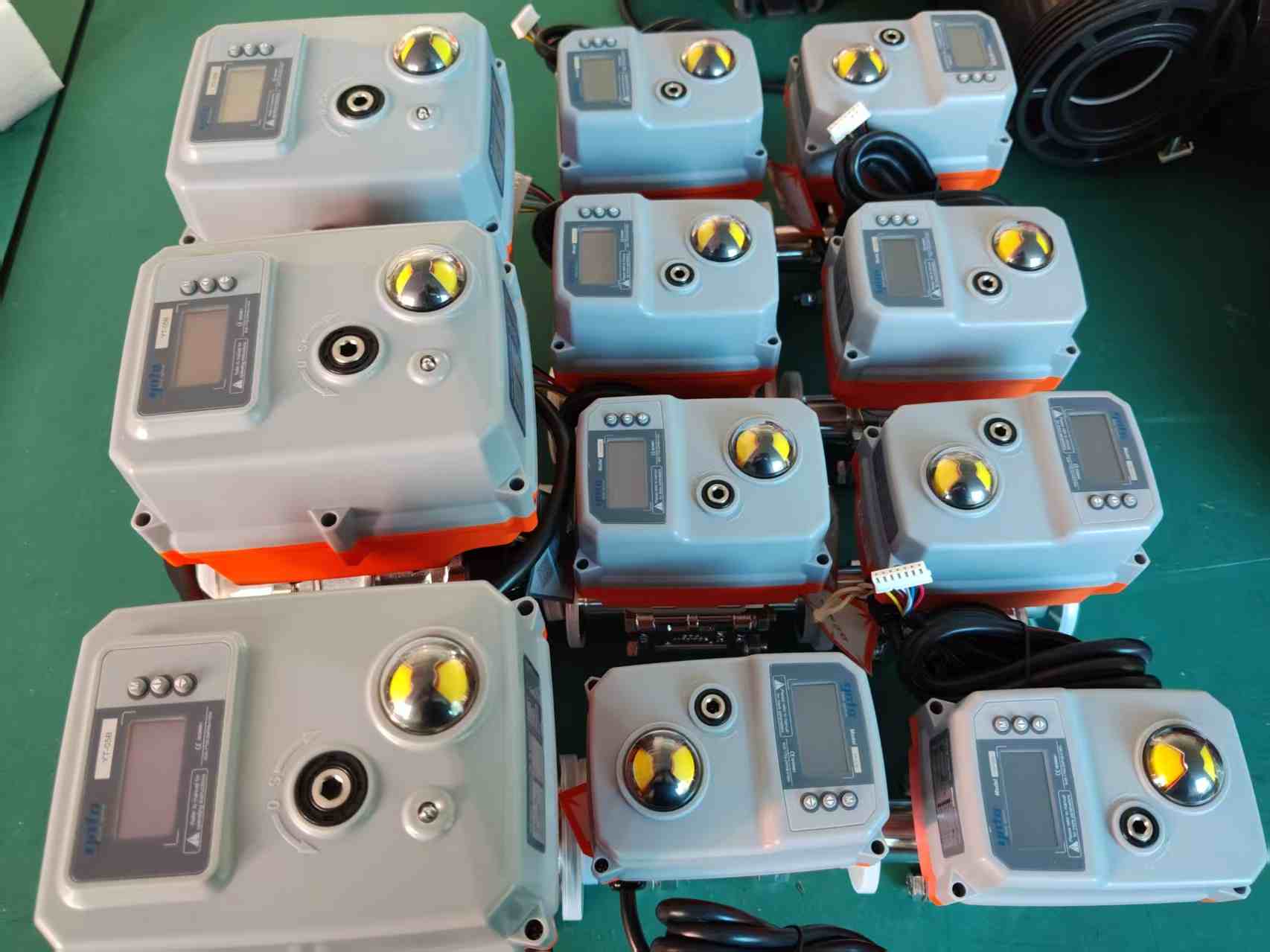
Engineers integrating servo actuators into their systems often pair them with linear guides made of hardened steel or high-strength aluminum. Lubrication systems using food-grade grease or dry film coatings ensure smooth motion while meeting contamination requirements. Servo actuators can incorporate failsafe features such as spring-return mechanisms or battery backups, ensuring that the system reverts to a safe position during power loss. These design considerations help maintain safety and compliance in industries like pharmaceuticals and food processing where product integrity and consumer safety are paramount.
The Path Forward: Trends and Innovations
Emerging Technologies in Electric Actuation
Innovation in electric actuation is accelerating. Smart actuators equipped with embedded sensors and edge computing are becoming more common. These devices monitor parameters such as current, voltage, temperature, and vibration in real time and send data to cloud-based analytics platforms. Machine-learning algorithms analyze the data to identify patterns and predict failures before they occur. Integrating actuators with Industrial Internet of Things (IIoT) frameworks transforms them into autonomous nodes capable of self-diagnosis and optimization.
Another trend is the integration of servo functionality into compact linear actuator packages. Manufacturers are developing miniature actuators with integrated drives that eliminate the need for external control cabinets. These plug-and-play devices simplify wiring and reduce installation time. In addition, advancements in power electronics have led to higher power densities and improved energy efficiency. Engineers expect future electric actuators to incorporate wireless communication for flexible deployment and to support safe human–machine collaboration through responsive force control.
Sustainability and Energy Efficiency
Energy efficiency has become a core consideration in industrial design. Electric actuators contribute to sustainability by converting electricity directly into motion with minimal losses. Unlike pneumatic systems that bleed energy through leaks and require continuous compressor operation, electric actuators consume power only during movement and can hold position without energy consumption. High-efficiency motors, regenerative drives, and advanced control algorithms further reduce power usage. When deployed across a facility, these savings translate into lower operating costs and reduced carbon emissions.
Sustainability also extends to materials and lifecycle. Choosing durable materials like 316L stainless steel or duplex alloys reduces replacement frequency and waste. Employing environmentally friendly coatings and lubricants minimizes the release of harmful substances. Companies are adopting circular economy principles by designing actuators for ease of maintenance, repair, and eventual recycling. Additionally, regulatory frameworks such as ISO 50001 encourage organizations to monitor energy performance, while standards like ANSI, ASME, API, and DIN guide design and testing to ensure safety and reliability. By aligning with these standards, engineers can deliver actuation solutions that meet both performance and sustainability goals.
Conclusion
Final Thoughts on Electric Actuator Integration
Over time, electric actuators have proven themselves as key enablers of modern industrial automation. They deliver precise control, energy efficiency, and integration flexibility—qualities that align with the demands of digital manufacturing. As engineers design new process lines and retrofit existing installations, they will increasingly favor electric actuation for critical control points. By understanding the fundamental components, evaluating pros and cons, and embracing emerging technologies, industry professionals can harness the full potential of electric actuators to enhance efficiency, safety, and sustainability.
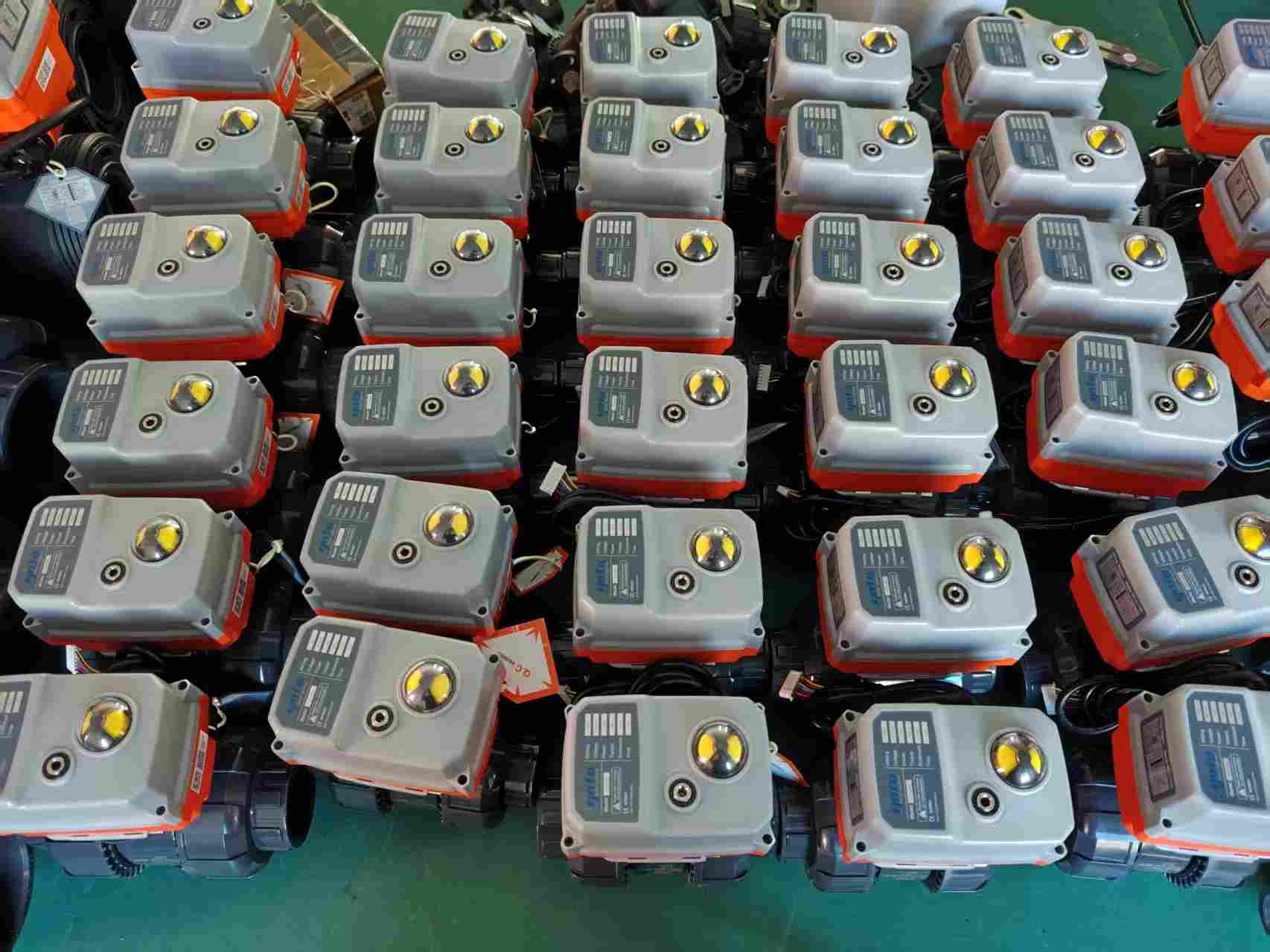
The next generation of automation will combine advanced servo actuators, smart sensors, and AI-driven analytics to create self-optimizing systems. Motion control systems will coordinate thousands of axes with near-perfect synchronization. PLCs will evolve into edge-computing nodes that handle real-time control while communicating with enterprise-level platforms. In this future, electric actuators will remain the muscle of automation, delivering the force and precision needed to transform signals into action.
.png?imageMogr2/format/webp)
- 2026-09-30 08:25:23
- 2026-09-28 10:28:43
- 2026-09-21 15:23:44