Распространённые ошибки, которых следует избегать при использовании асептического клапана для отбора проб
- 2026-06-22 13:58:04
- admin
- NO COMMENTS
В тихом гуле фармацевтической лаборатории каждая капля должна быть идеальной. Однако даже опытный инженер может заметить небольшие тревожные сигналы вокруг точек отбора проб. Во время плановой проверки вы можете заметить, что асептический клапан для отбора проб иногда капает или кажется липким при работе. Возможно, скачок давления на мгновение поднимает уплотнение, или лёгкая вибрация ручки намекает на ослабление. Эти реальные признаки — небольшая протечка в уплотнении клапана или задержка при открытии — часто предшествуют более серьёзным проблемам. Если не устранить это, изношенное сиденье или несовершенный цикл промыва могут привести к проникновению загрязнений, что подвергает риск для партий продукции.
В другом случае небольшие колебания потока могут предупредить оператора, что линия отбора пробы не полностью оптимизирована. Такие симптомы — неравномерный поток пробы или колебания давления — указывают на скрытые проблемы, такие как неправильная регулировка клапанов или повреждение уплотнений. Со временем неправильные актуаторы клапанов или старые прокладки могут замедлить или захлестнуть отбор проб. Результат? Задержка в сборе образцов и возможное загрязнение того, что должно быть стерильной жидкостью. Эти инженерные наблюдения естественным образом приводят к вопросу: как можно предотвратить такие ловушки?
Введение в асептическое отбор проб
Что такое асептический клапан для отбора проб?
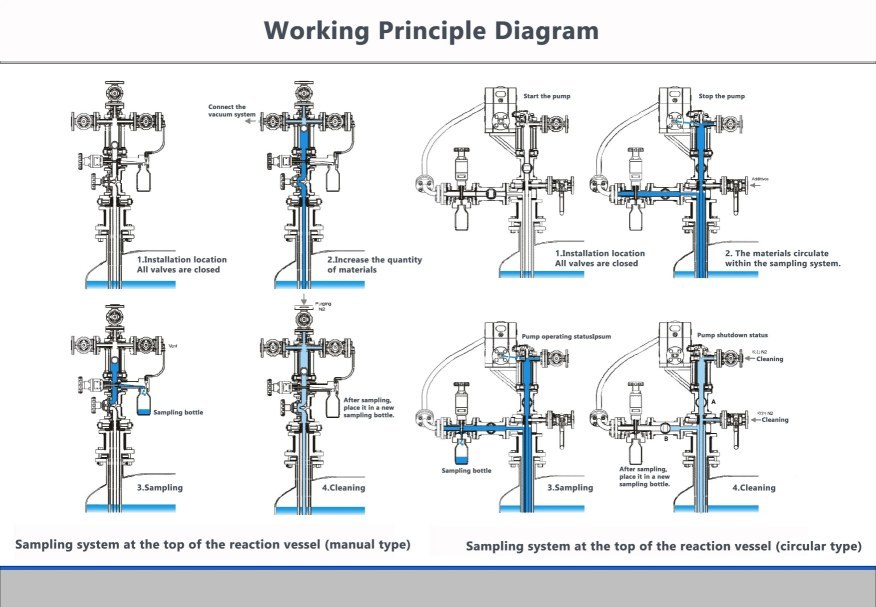
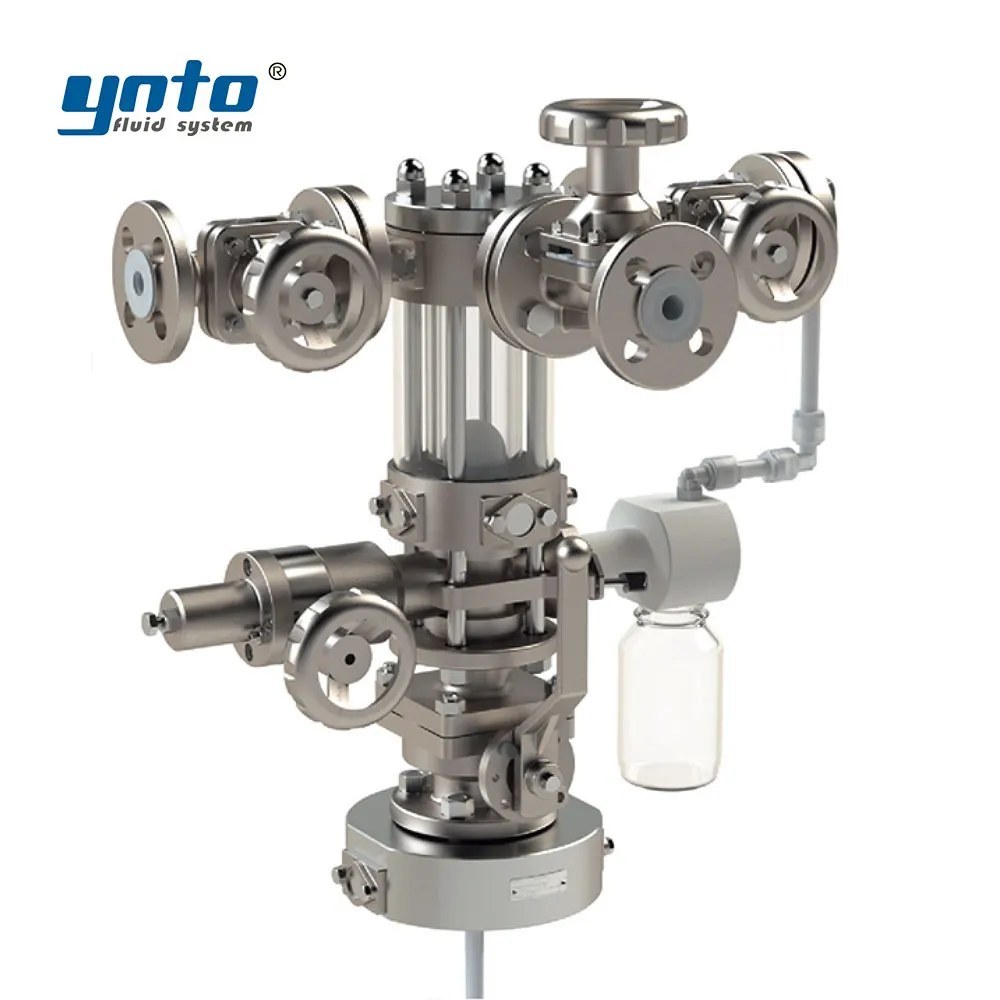
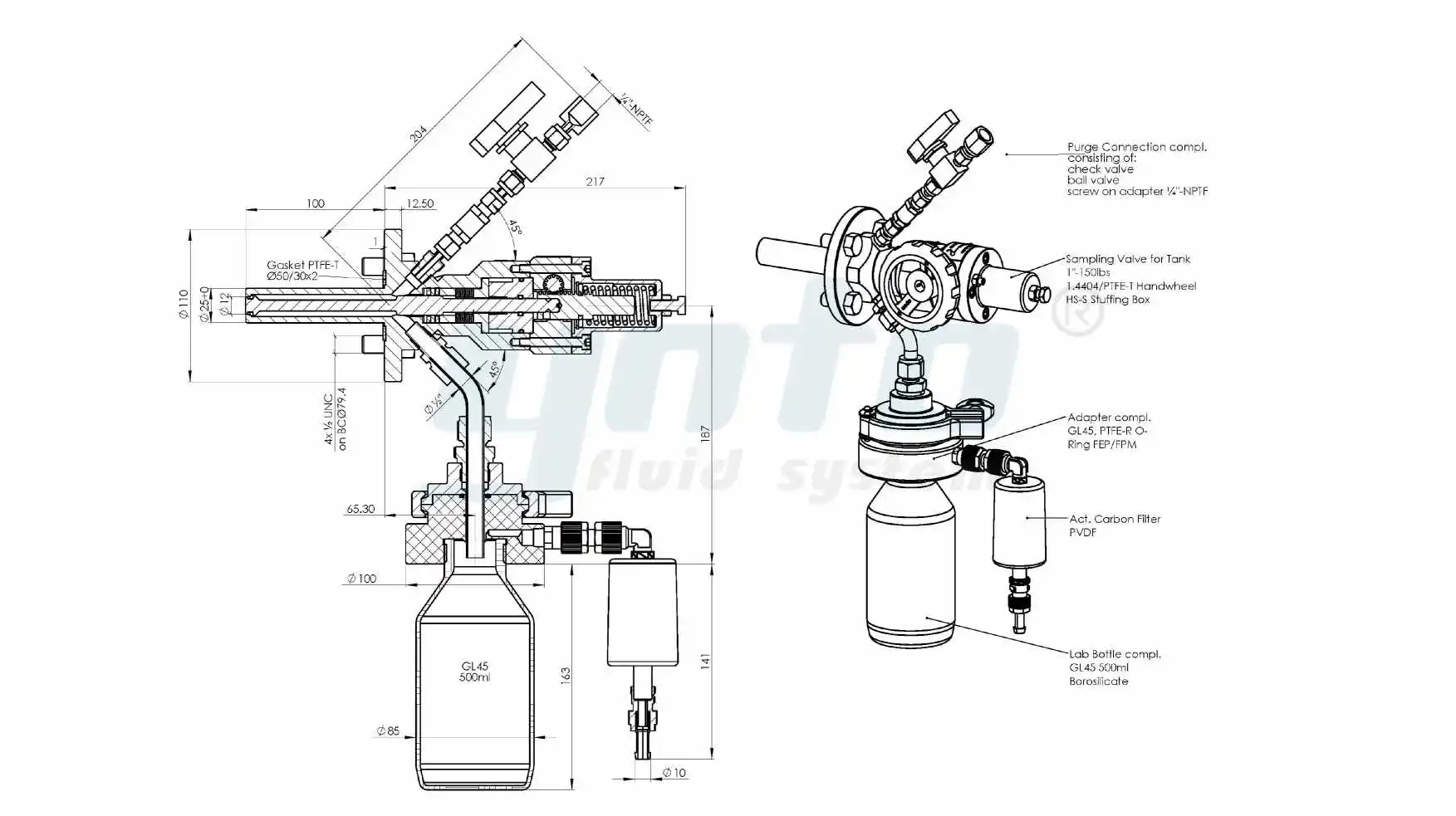
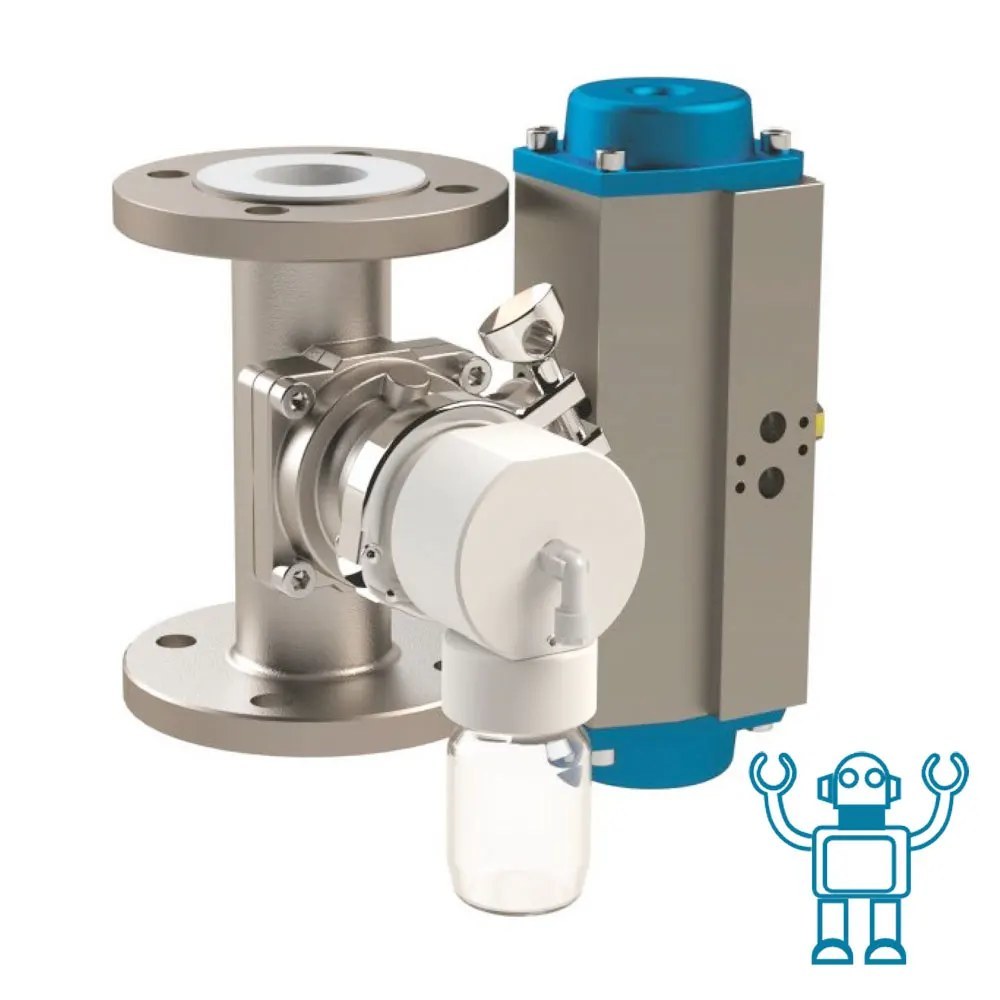
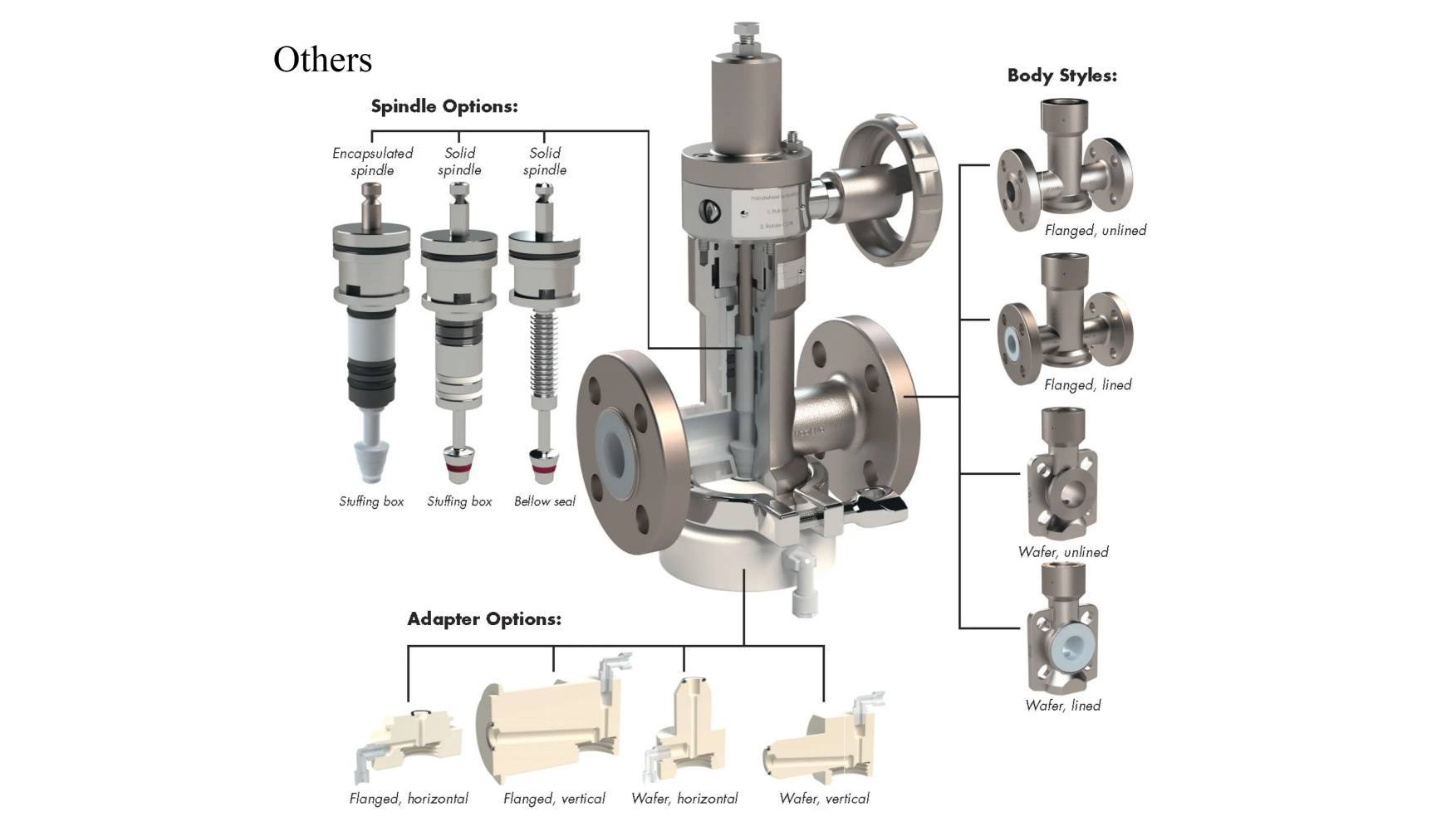
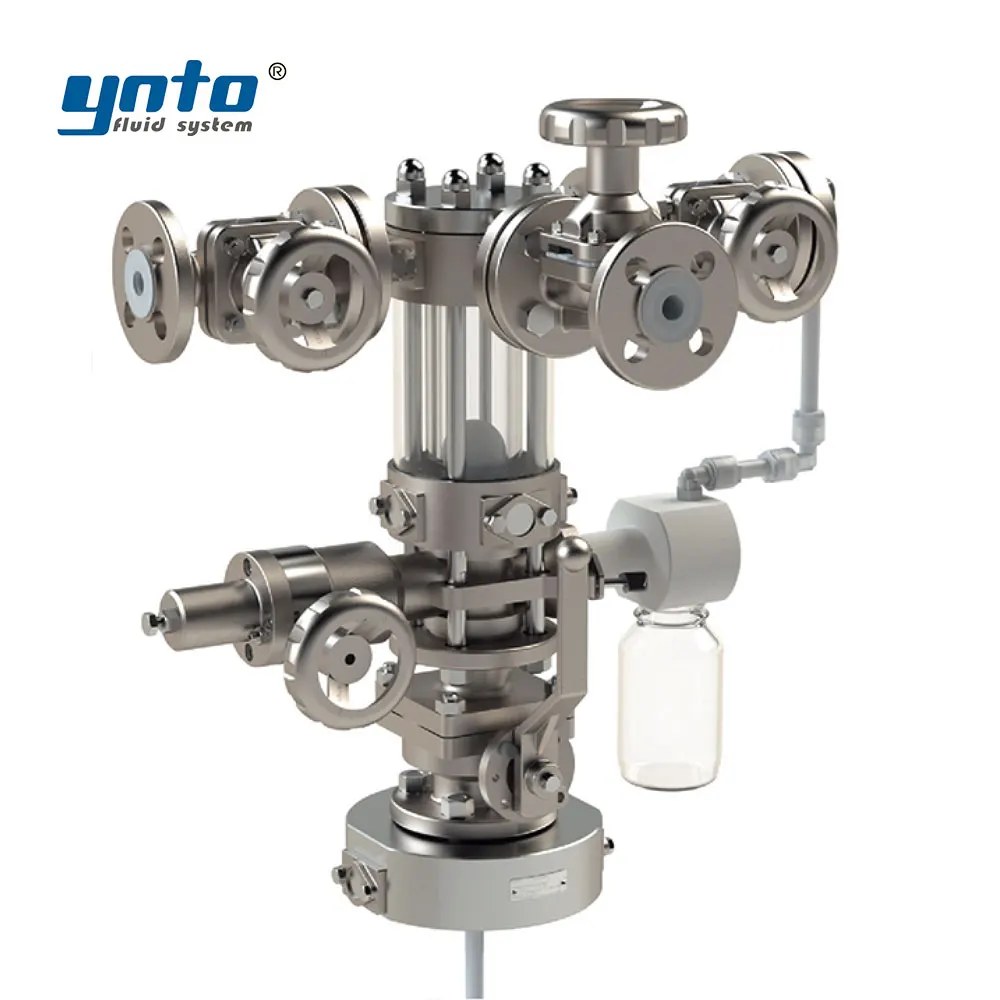
Асептический клапан отбора проб — это специализированный клапан, предназначенный для удаления образцов жидкости из процесса без внесения загрязнителей. В отличие от обычных пробных кранов, эти клапаны поддерживают стерильную границу между технологической жидкостью и окружающей средой. Обычно они имеют гладкий корпус из нержавеющей стали, гигиенические уплотнения и часто встроенный порт для стерилизации. Инженеры понимают, что с одним клапаном можно взять репрезентативный образец и затем промыть или простерилизовать канал, чтобы избежать остатков жидкости. По сути, клапан действует как стерильный портал — открывает его, берёт образец, затем закрывает и дезинфекцирует — при этом не допуская патогенов.
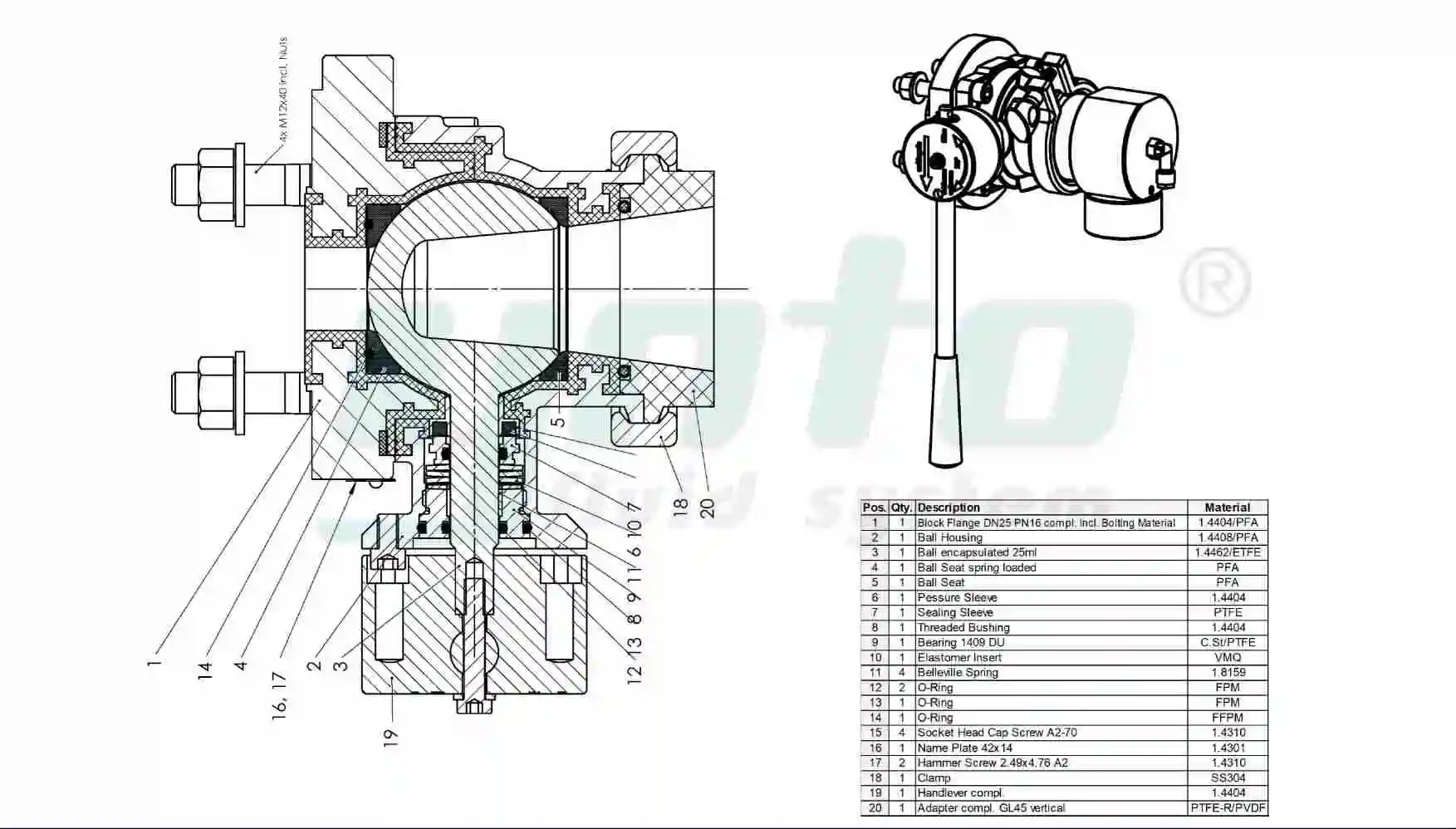
Производители отмечают, что асептические клапаны часто имеют продвинутую конструкцию: например, Donjoy выделяется цельным корпусом из нержавеющей стали и эластичным мембранным уплотнителем, с опциями пружинного возврата или пневматического привода. Эти клапаны разработаны так, чтобы выдерживать стерилизацию на месте (CIP) и паровую стерилизацию. Например, материалы клапанов Donjoy (316L нержавейки, уплотнения EPDM/PTFE) и сертификаты (US 3-A, FDA) соответствуют фармацевтическим стандартам. На практике шток клапана и пробка мембраны втягиваются во время отбора проб и убираются обратно, чтобы герметизировать канал в закрытом состоянии. Всё это позволяет изолировать процесс жидкостью от окружающей среды — что необходимо в стерильном производстве.
Применение в фармацевтической промышленности
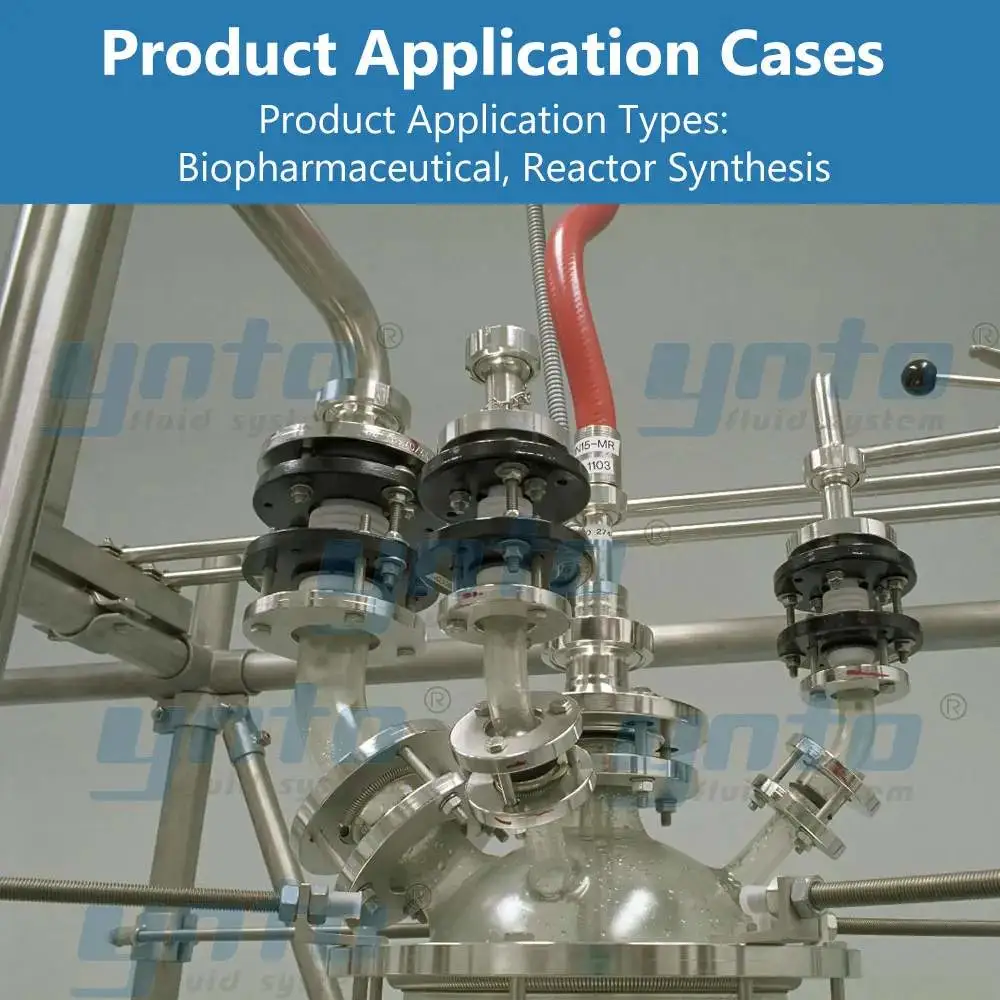
В фармацевтике асептические клапаны для отбора проб используются в ключевых точках: отбор проб из реакторов, ферментаторов или высокочистых жидкостных линий. Например, во время запуска вакцины операторы используют эти клапаны для извлечения образцов для проверки качества, не останавливая ферментер. Асептические клапаны также распространены в биотехнологических и пищевых процессах. Они позволяют безопасно собирать образцы культурных сред, активных ингредиентов или промежуточных жидкостей. Из-за гигиенических требований эти клапаны часто появляются рядом с гигиеническими фильтрами и регуляторами потока на заводе. Особенно стоит отметить, что их конструкция гарантирует отсутствие мёртвых ног или щелей , где бактерии могли бы прятаться. Например, Alfa Laval подчёркивает, что её клапаны для отбора проб являются цельными и не сварными, что устраняет карманы для загрязнения
Понимание клапанов отбора проб жидкости
Различия между жидкостными и асептическими клапанами отбора проб
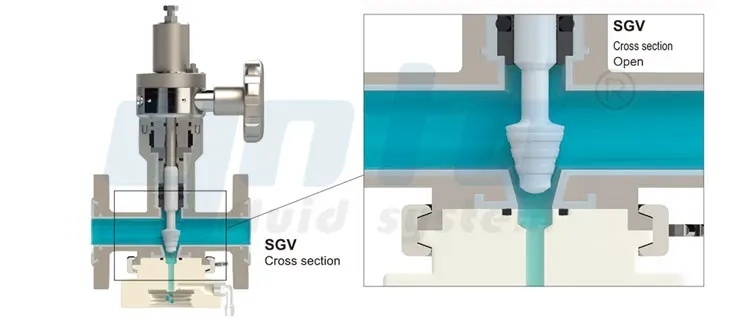
В то время как стандартный клапан для отбора проб жидкостей может работать только с нестерильными жидкостями (например, охлаждающей водой или некритическими химикатами), асептический клапан имеет более строгие требования. Различия включают материалы, тип герметизации и возможности стерилизации. Асептический клапан обычно использует санитарные покрытия (Ra ≤ 0,8 мкм) и одобренные FDA уплотнения для обеспечения биосовместимости. В отличие от этого, простой клапан для отбора проб может использовать обычные уплотнительные кольца. Ключевая особенность асептических клапанов заключается в том, что они пропускают CIP или SIP (пар на месте) через сам канал отбора проб. Например, после взятия образца и закрытия клапана по тому же пути может проходить пар или спирт для стерилизации. Обычный клапан оставил бы жидкость в тупике, но пружинная конструкция асептического клапана (как в модели SB от Alfa Laval) автоматически открывает путь стерилизации после завершения отбора.
Функционально, асептические клапаны для отбора проб обычно имеют встроенные ручки или приводные порты , которые герметизируют клапан (часто с помощью мембраны). Это позволяет получить образец иглы через микропорт или использовать механизм, стерилизуемый паром, без разборки. В отличие от этого, обычный пробный кран просто открывает порт с минимальным уплотнением. Использование неправильного типа — например, замена стерильного отверстия на обычный клапан — может привести к недостаткам.
Ключевые особенности асептических клапанов отбора проб
Ключевые особенности, отличающие эти клапаны, включают:
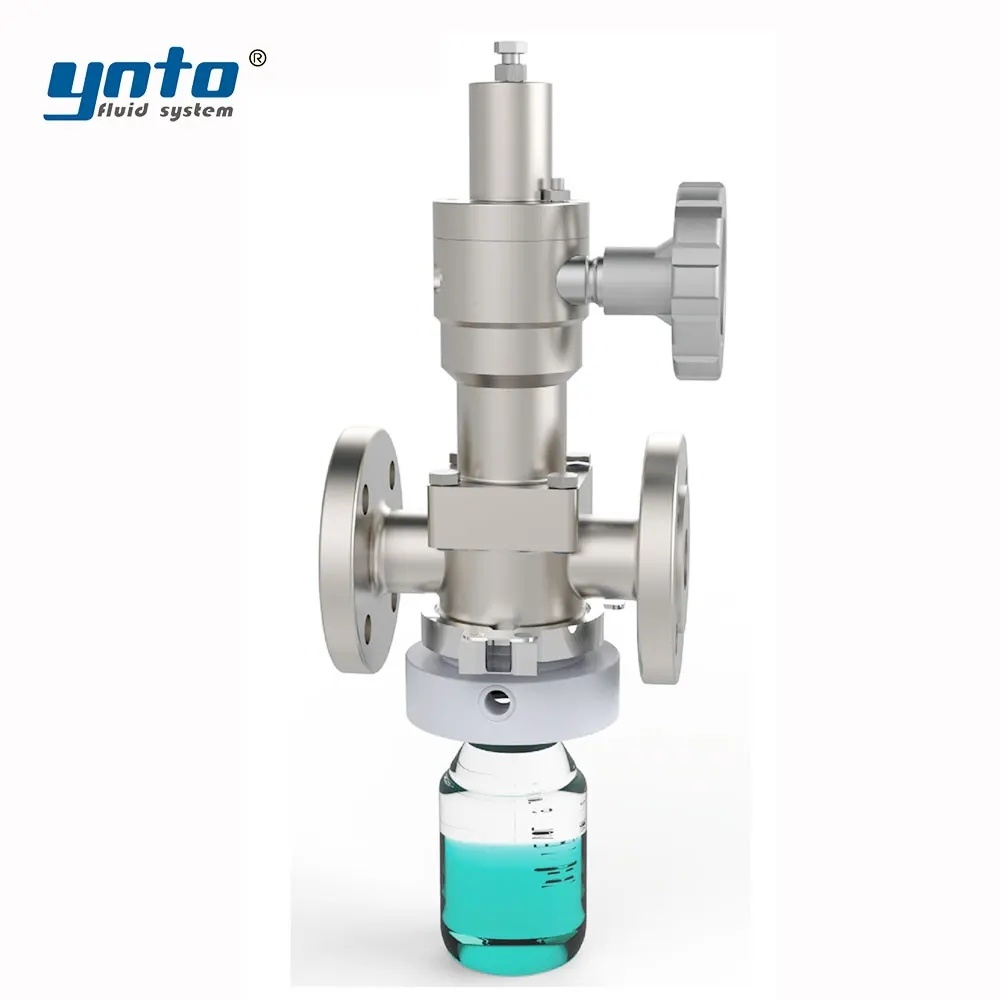
· Корпус из нержавеющей нержавеющей железы без трещин: цельная или полноразмерная конструкция избегает карманов, где жидкость может застояться. Клапаны Alfa Laval, например, не имеют сварных швов в пути потока, чтобы минимизировать скопление бактерий.
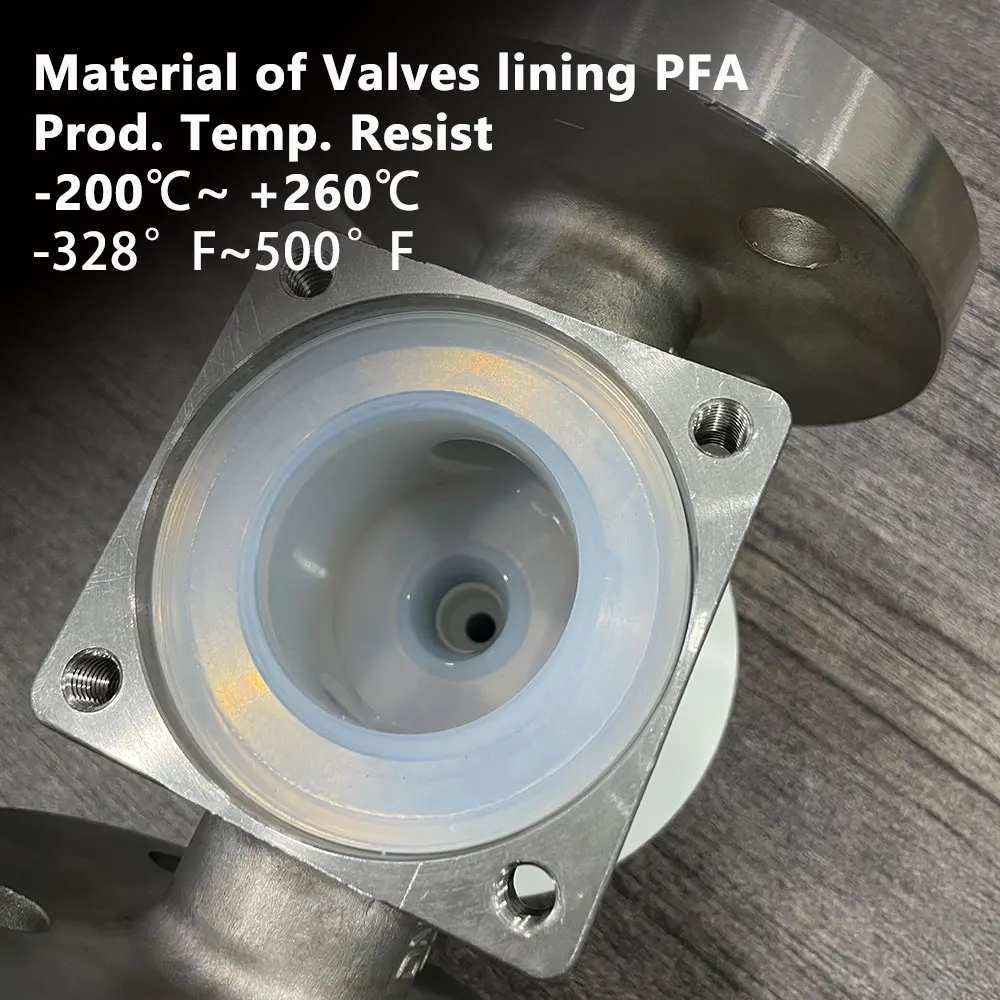
· Высококачественные уплотнения: клапан использует эластомеры FDA или диафрагмы PTFE, которые не впитывают жидкость и не выращивают бактерии. Клапаны Donjoy указывают, что уплотнения EPDM или PTFE соответствуют стандартам FDA.
· Самодренирующийся/стерилизуемый канал: после отбора пробы возвратная пружина клапана часто оставляет выход открытым для вентиляции или паровой стерилизации линии. Правильная конструкция означает, что порт для отбора пробы полностью опорожняется при закрытии, предотвращая появление остатков.
· Несколько вариантов с ручками: Некоторые имеют съёмную ручку с клавишами, другие — с пружинной поддержкой, а также пневматические приводы для дистанционного отбора проб. Главное — обеспечить стабильную работу с минимальными человеческими ошибками.
· Подходящие для приборов: многие из них рассчитаны на умеренное давление (например, 10–20 бар) и могут подключаться к расходомерам или клапанам выше по течению для контроля потока отбора проб. Все эти конструктивные моменты служат одной цели: обеспечить, чтобы при взятке образца не проникал внешний микроорганизм, а образец отражал истинную жидкость процесса.
Распространённые подводные камни при асептическом отборе проб
Пренебрежение процессами валидации
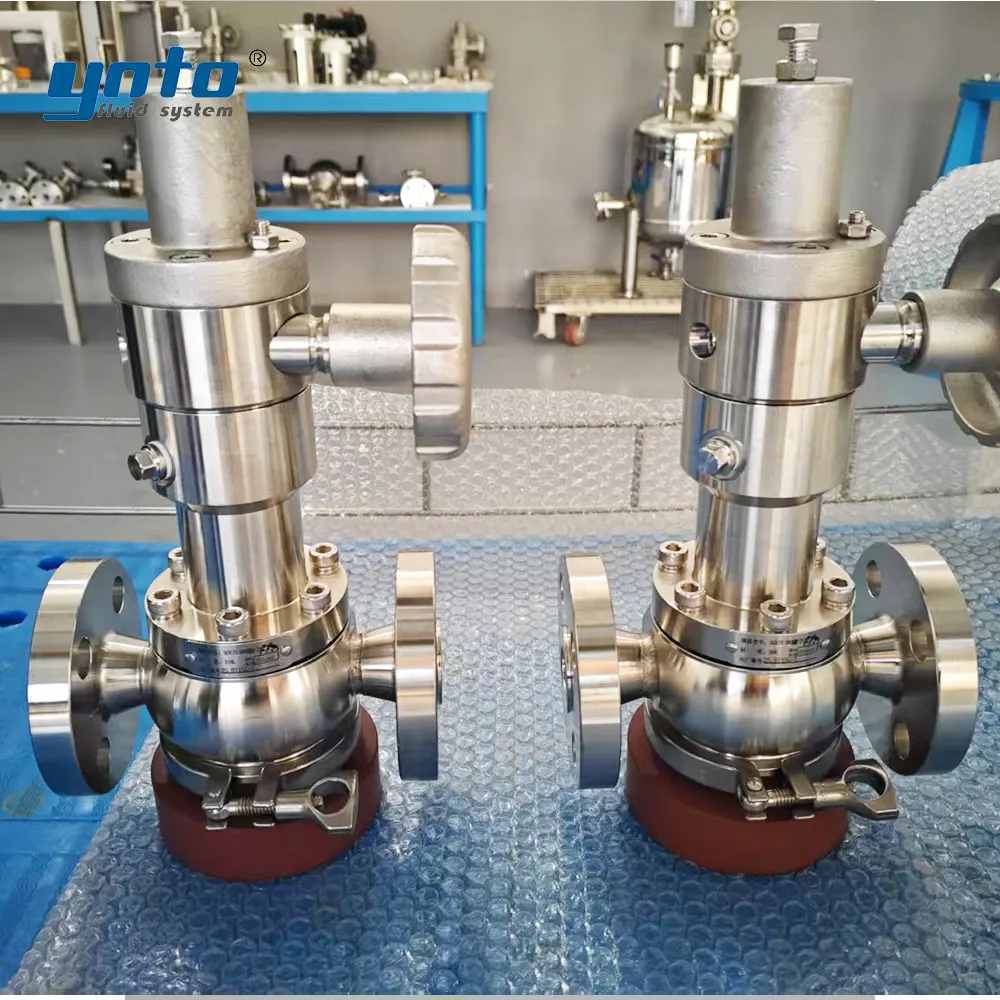
Одна из самых серьёзных ошибок — пропускать или просматривать шаги валидации. Валидация означает подтверждение того, что клапан и процедура отбора проб действительно дают стерильные образцы. Пример цепочки отказа покачан: пропуск цикла стерилизации (причина), → следовые организмы остаются в клапане (результат) → следующий образец загрязнён (удар). На практике инженеры видели, как жёсткие графики привлекают команды к повторному использованию клапанов без надлежащих проверок. Представьте, что оператор предполагает: «Клапан был автоклавирован на прошлой неделе, всё в порядке», а потом обнаруживает следы бактерий. Этот перерыв в валидации может остаться незамеченным, пока тест качества не провалится. Повторяющийся цикл может привести к износу уплотнения (колебания давления утомляют уплотнение), что со временем приводит к незначительной протечке, в конечном итоге вызывая нестерильные условия.
Обычные протоколы валидации (например, испытания под давлением стерильной жидкостью или анализ биологических индикаторов) — это не просто бумажная волокита: они выявляют мелкие утечки и устраняют усталость на раннем этапе. Без них цепочка причин может быть: циклирование температуры жидкости или абразивный CIP → усталость материала уплотнения → небольшая протечка → выход загрязнения. Таким образом, строгая валидация необходима; Пропуск — возможно, самый быстрый путь к дорогостоящей остановке производства.
Неправильное толкование протоколов выборки
Вторая распространённая ошибка — процедурная ошибка. Протоколы отбора проб часто требуют точные шаги: например: «держать открытым 5 секунд, промывать стерильным веществом, взять образец 100 мл, затем закрыть и повторно стерилизовать». Если это неправильно понято, загрязнение может проникнуть внутрь. Например, оператор может подумать: «меньшее время — быстрее отбор проб», из-за чего он слишком быстро закроет клапан. Последствием может быть неполное промывка — в отверстии остаётся небольшой остаток продукта. Этот остаток может содержать бактерии (причина) → смешанные в образце или стоять в застойном состоянии (результат) → неправильных лабораторных результатов или скрытой порче (удар).
Также были случаи, когда персонал путал этапы асептической пробы с обычным КИП. Например, использование стандартных циклов очистки без предварительной герметизации линии отбора проб. Если клапан не закрыт должным образом до подачи пара, продукт внутри может быть перемещён в вентиляционные отверстия или даже втянут обратно в систему, создавая обратную проблему. Поэтому неправильное понимание того, как выравнивать клапан для стерилизации и режима отбора проб, может привести к тому, что цепь открыта в неправильном порте , → продукт не изолирован → не достигает асептиса. Чтобы избежать этих ловушек, необходимы чёткие, практические тренировки и однозначные стандартные процедуры.
Неспособность обеспечить стерильность
Возможно, самая очевидная ошибка — просто не поддерживать весь путь отбора проб стерильным. Это включает как клапан, так и любые прикреплённые трубки или контейнеры. Оставление крышек на фляжках, повторное использование буферов или забывание дезинфицировать бутылку на ствольной коробке — всё это снижает стерильность. Частая проблема — самодовольство: «Мы выливаем его прямо в колбу лаборатории; всё должно быть в порядке.» Однако эти колбы могут быть не стерильными — вызывая появление внешних микробов → загрязнение образцов (результат).
Внутри похожая неисправность возникает, если порт стерилизации клапана остаётся открытым или забит. Например, если небольшой вентиляционный отверстие, предназначенное для снятия давления во время паровой стерилизации, заблокирован мусором, стерильное средство не сможет полностью промыть канал. В результате часть продукта остаётся внутри, и может образоваться биопленка. Затем следующий образец содержит организмы (импакт). Эта цепь — заблокированное вентиляционное отверстие → неполная стерилизация → скопление микроорганизмов — тонка, но реальна. По сути, любая ошибка в поддержании стерильной границы (будь то из-за недосмотра или механической неисправности) сводит на нет цель асептического клапана.
Обеспечение эффективных асептических процессов
Регулярная подготовка персонала
Предотвращение этих ошибок начинается с людей. Даже лучший клапан выходит из строя при неправильном использовании. Постоянное обучение поддерживает операторов в тонусе. На практике мы добиваемся успеха, когда команды проводят практические повторные упражнения: например, инженеры, наблюдая, как техник намеренно вводят безвредный краситель через клапан для проверки полного промывания. Эти упражнения выявляют ошибки в протоколе (например, недостаточно долго держать клапан открытым). Акцент на фразах вроде «сначала смывай, потом пробный» в ежедневных брифингах помогает закрепить правильную последовательность.
Обучение также означает раннее распознавание симптомов клапана. Внимательный глаз заметит, если рукоятка кажется необычно жёсткой (намекает на накопление сиденья) или если цикл постепенно увеличивается (возможно ослабление пружины или привода). Если при еженедельных проверках «ручка слегка заедает», сотрудники могут заменить запасной клапан до того, как это вызовет тревогу качества продукта. Другими словами, хорошо обученная команда — это первая линия защиты от описанных выше цепочек неудач.
Комплексные практики обслуживания
Систематический график обслуживания столь же важен. Асептические клапаны для отбора проб никогда не должны быть «установлены и забыты». Например, даже медицинскому клапану может потребоваться новое уплотнительное кольцо или смазка после стольких циклов. Рутинные задачи по обслуживанию включают: проверку всех уплотнений (корпуса из нержавеющей стали 315/316 против диафрагм из PTFE), проверку калибровки привода (давление и крутящий момент), а также осмотр механизма возврата пружины. Заменяйте все детали в рекомендованные производителем интервалы, а не только когда они выходят из строя.
Например, многие промышленные клапаны YNTO используют долговечные материалы, такие как нержавеющая сталь объемом 316 л и уплотнения FKM/PTFE. Тем не менее, со временем они изнашиваются. Проактивный план обслуживания — например, каждые 6 месяцев или после определённого количества образцов — позволяет менять изношенные предметы до начала протечек. Если профилактическая проверка выявляет коррозионные участки или деформацию материала, клапан немедленно обслуживается. Это предотвращает цепочку причинно-следственной связи, связанной с неприсмотренным износом → медленного развития протечек → резкого отказа выборки. Хорошо обслуживаемые клапаны сохраняют стерильную целостность и экономят дорогостоящие простои.
Ещё одна важная практика — обеспечить чистоту окружающей среды вокруг клапана. Хотя сам клапан выполнен из нержавеющей стали, трубы и фитинги, ведущие к нему, тоже должны быть гигиеничными. Иногда бригады технического обслуживания игнорируют ковш для проб или зажим для труб, считая, что клапан — единственная критическая часть. Однако загрязнение может привести к обратному течению из-за грязного фильтра или вентиляционного отверстия, если он неправильно герметизирован. Таким образом, калибровать и поддерживать все компоненты цикла отбора проб — не только корпус клапана — в рамках процесса.
Заключение
В итоге, успешное использование асептического клапана для отбора проб зависит от тщательной техники, правильного оборудования и стабильного обслуживания. Основные ошибки, которых следует избегать, включают пропуск валидации, запутанность протокола или пренебрежение проверками стерильности. Понимая конструкцию и роль клапана, инженеры могут предотвратить причинно-следственные сбои, которые нарушают образцы. Например, постоянная стерилизация между применениями предотвращает превращение мелких протечек в события загрязнения, а тщательная подготовка оператора гарантирует, что клапан работает правильно каждый раз.
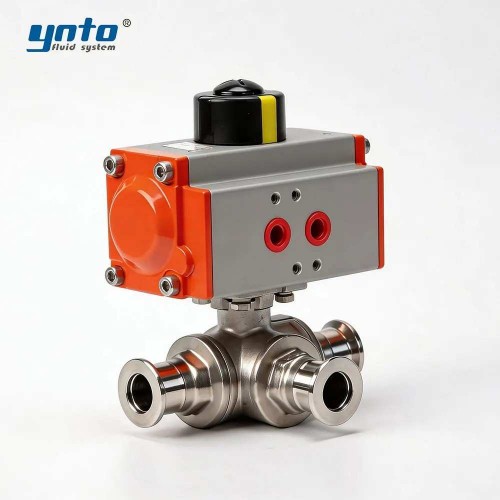
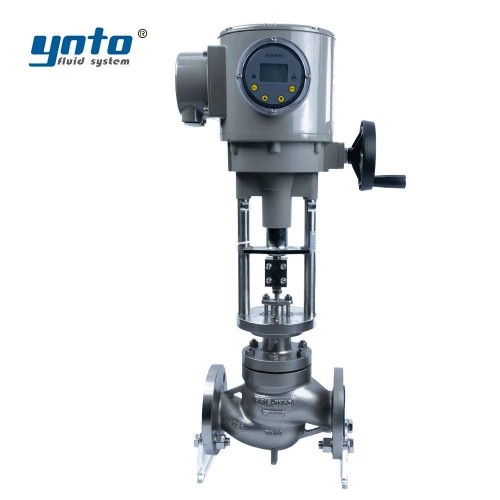
Современные клапанные решения также помогают этим достижениям. Гигиенические конструкции — такие как цельные корпуса клапанов без сварки от поставщиков, таких как Alfa Laval, — минимизируют места, где может скрываться жидкость. Автоматизация тоже помогает: клапаны, такие как электрические шаровые клапаны YNTO или пневматические заслонки-бабочки, могут быть точно синхронизированы и управляемы, устраняя человеческую изменчивость. Аналогично, высокоточные диафрагмические клапаны устраняют мёртвое пространство, в котором могут находиться микробы. Внедрение этих инженерных решений упрощает отбор проб и снижает человеческие ошибки.
В конечном итоге, асептический клапан отбора проб защищает качество вашей продукции при правильной обработке. Избегая распространённых ошибок и следуя лучшим практикам, ваша работа остаётся в соответствии с требованиями и эффективной. Хорошо подобранное оборудование — от обратных клапанов до управляющих клапанов — дополнительно поддерживает эти усилия. С надёжным планом обслуживания и полностью обученной командой вы гарантируете, что каждый образец действительно отражает стерильный процесс, как и задумано.

- 2026-09-21 15:23:44
- 2026-09-18 09:42:46